
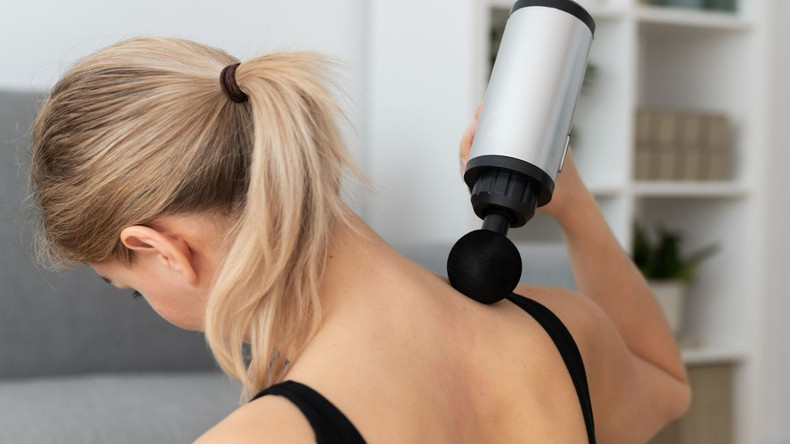
So you unwrapped your brand new massage gun, charged it up, and pressed it against your leg with high hopes.
Ten seconds later? Your skin's on fire with itching.
Not exactly the relaxing recovery tool everyone raved about, right? You're probably wondering if your body just hates you or if there's something fundamentally wrong with how you're built. Turns out, neither. Plenty of folks deal with this exact problem, and there are real reasons behind it.
The question of why do massage guns make me itchy isn't just about having "sensitive" skin. There's actual physiology at play here, and once you get what's happening under the surface, you can fix it.
Your Nerves Are Getting Bombarded
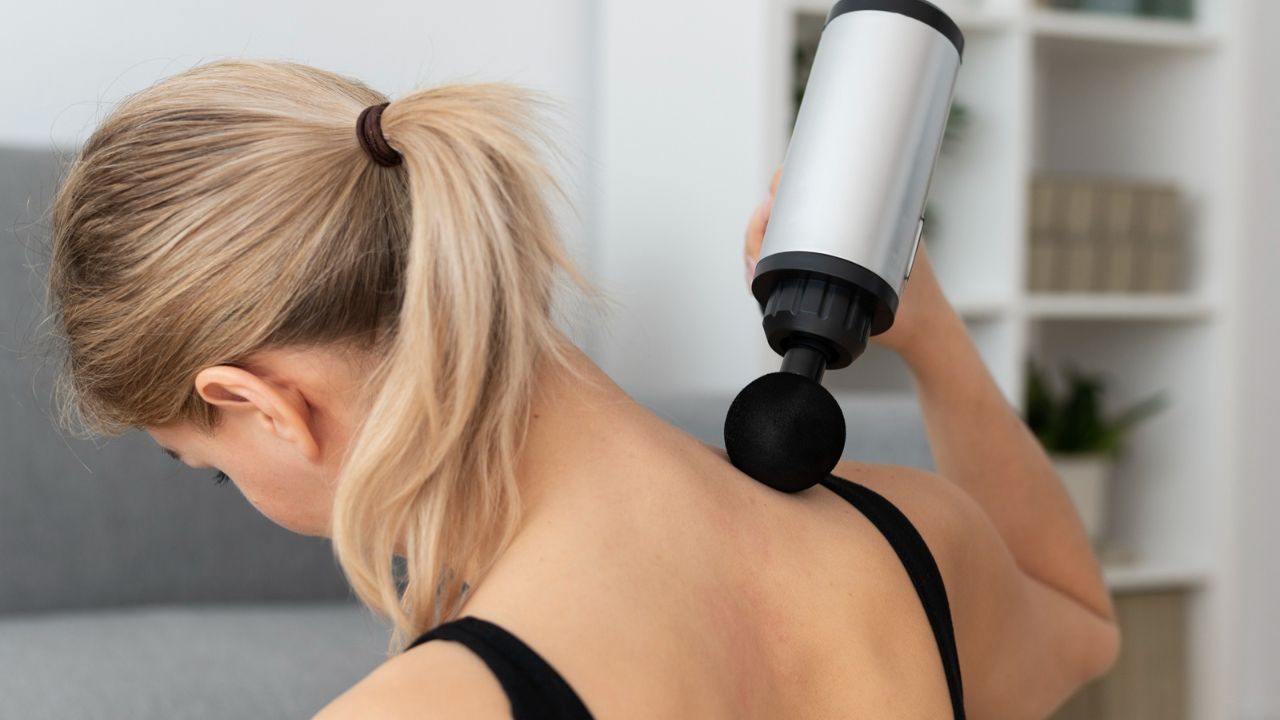
Here's what most people don't realize about massage guns.
That percussion head is slamming into your skin somewhere between 1800 and 3200 times per minute, depending on your settings. Every single impact activates nerve endings. And your skin? It's packed with them. We're talking thousands per square inch.
Now imagine all those nerves firing signals to your brain simultaneously, over and over. Your brain's trying to figure out what this sensation means. Is it dangerous? Is it pressure? Sometimes, especially with reactive skin, the brain just goes "uh, this is weird and uncomfortable" and translates it into an itch signal.
Not because something's wrong with you. Because that's just how your wiring interprets this super unusual stimulation pattern.
Blood rushes to the area too, which happens with any deep tissue work. Vessels open up, circulation spikes, and your skin temperature climbs. All of that triggers histamine release in some people, which is basically your body's itch-making chemical. Sensitive types release more of it, or release it faster, or just react more strongly to normal amounts.
Dry skin makes everything worse because the protective barrier isn't doing its job properly. Think of your skin's outer layer like a wall. When it's well-maintained, stuff doesn't get through easily. When it's cracked and weak? Everything irritates it more easily, including mechanical pressure from a massage gun pounding away.
Settings Matter Way More Than You'd Think
Speed Adjustments
Most massage guns come with multiple speed options.
Here's where people mess up: they assume the lowest setting won't do anything, so they start on medium or high. This is with sensitive skin.
That lowest speed setting exists for a reason. Use it. Stay there for at least a week or two before increasing. Lower percussion frequency means fewer nerve activations per second, which gives your system time to process what's happening without freaking out.
You might feel like it's not "working" if it's not intense, but muscle tissue responds to consistent, gentle percussion just fine. You don't need to feel like you're getting pummeled for it to be effective.
Buy massage models with precise low-speed control on our website.
Pressure Control
The amount you press matters just as much as the speed setting.
When you lean hard into the massage gun, you're compressing tissue between the attachment and your bone. Blood flow gets restricted temporarily in that compressed zone. Then, when you ease up or move the gun, blood rushes back in. That restriction-release cycle? Prime territory for triggering itchiness.
Let the gun's own weight do the work. Hovering it lightly on the surface doesn't accomplish much, but you also don't need to shove it into your muscles. Just rest it there with gentle contact and let the percussion do its thing.
Duration Adjustments
Time spent on each area accumulates stimulation. Even moderate settings become overwhelming if you camp out in one spot for three or four minutes straight.
Start with these timeframes:
- 30 seconds per muscle area for the first few sessions
- Gradually work up to 60-90 seconds as tolerance builds
- Never exceed 2 minutes on one spot, regardless of sensitivity.
Short, frequent sessions beat long, intense ones every time for reactive skin.
Attachment Choices Make or Break You
Walk into this assuming all attachments are created equal, and you'll stay itchy.
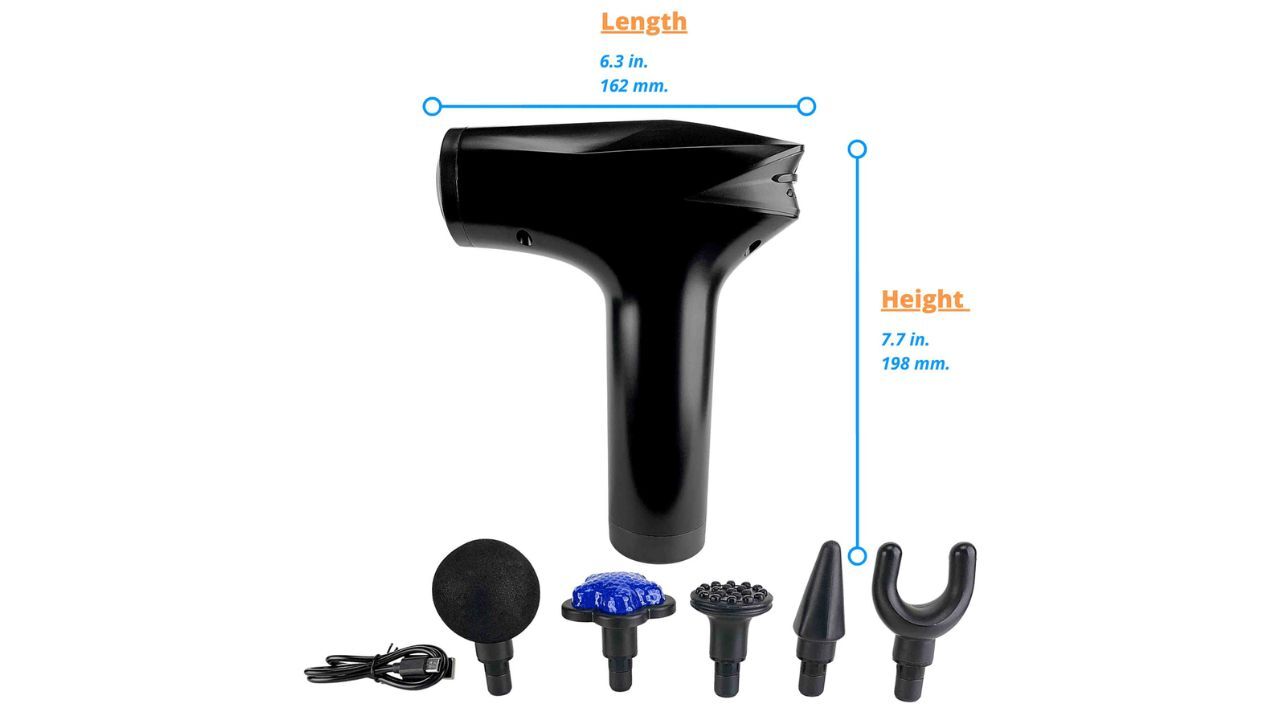
The standard ball attachment that comes with most guns? Usually too firm for sensitive skin right out of the gate. Metal attachments? Forget about it unless you enjoy suffering.
Foam attachments distribute force across a bigger surface area and have natural cushioning. The foam compresses slightly with each percussion, which softens the impact considerably. Your nerve endings don't get hit with concentrated, sharp pressure. They get broader, gentler contact.
Large round attachments work better than small pointed ones for the same reason. A bullet-shaped attachment focuses all that percussive force into a tiny contact point. A big round ball spreads it out. Less concentration equals less irritation.
What to avoid entirely:
- Anything metal (conducts heat, too rigid)
- Small pointed attachments (concentrate force)
- Worn-out attachments with hard, compressed foam
Stick with soft, large, rounded options until your skin stops being so reactive.
Explore our gentle attachment options for sensitive skin.
The Clothing Barrier Trick
This one simple change helps more people than anything else, and yet hardly anyone talks about it.
Don't use the massage gun on bare skin.
Throw on a t-shirt, some leggings, whatever. That thin fabric layer creates distance between your nerve endings and the direct mechanical stimulation. The percussion still reaches your muscles just fine because the force transmits through the fabric, but your skin doesn't take the full brunt of contact.
Some folks worry this makes the massage gun less effective. It doesn't. The depth of percussion is determined by amplitude and speed, not by whether there's a millimeter of cotton between the attachment and your epidermis.
Plus, fabric reduces friction. Less friction means less mechanical irritation on top of the percussion itself.
Prep Work That Actually Helps
Slapping lotion on right before using the gun does help, but not for the reason most people think.
The lotion creates a slick barrier that reduces friction between the attachment and your skin (or clothing). Less friction equals less mechanical irritation contributing to the itching. Go for fragrance-free, basic stuff. The last thing reactive skin needs is added perfumes and unnecessary ingredients.
Hydrating your skin consistently matters more than what you do five minutes before using the massage gun, though. When skin is chronically dehydrated, that protective barrier stays weak. Daily moisturizing, especially on areas you plan to treat, strengthens that barrier over time.
Warm up the area first with your hands. Just a minute or two of gentle manual massage gets circulation moving gradually. Then, when the massage gun kicks in, the circulation spike isn't as dramatic. Smaller circulation changes mean less histamine dumping into the tissue all at once.
Managing the Heat Factor
Massage guns generate heat. The motor heats up during use. The attachment heats up from friction. Your skin heats up from increased blood flow.
All that warmth can push sensitive skin over the edge into serious itching territory, separate from the percussion itself.
Let your gun run for 30 seconds before using it, then check the attachment temperature with your hand. If it's already warm, give it a minute to stabilize. During use, if you notice the attachment getting hot, take breaks. Let it cool down.
Room temperature matters too. Using a massage gun in a hot bathroom right after a shower, when your skin's already flushed and warm? Recipe for itching. Cooler environments help manage the temperature component of the reaction.
When Basic Fixes Aren't Cutting It
Some people follow all this advice and still itch like crazy. That's when you need to dig deeper into why massage guns make me itchy for your specific situation.
Try different body areas. Your thighs might handle the massage gun fine, while your calves itch immediately. Skin thickness and nerve density vary across your body. There's zero shame in only using the device where your skin cooperates.
Building Tolerance Takes Patience
Your nervous system can adapt to this stimulation pattern, but it needs time and consistent exposure.
Think of it like building a callus. The first time you grip a barbell with bare hands, it hurts. Do it regularly, and your hands toughen up. Skin and nerves work similarly with massage gun percussion.
Start short. Like 20-30 seconds per area, lowest speed, softest attachment, over clothing. Do this every other day for a week. If no itching happens, bump up to 45 seconds the next week. Then 60 seconds.
This gradual progression lets your system acclimate without triggering full-blown reactions that make you want to abandon the whole thing.
Some folks find success with once-daily use. Others need it every other day to avoid over sensitizing their skin. Pay attention to what your body's telling you.
Red Flags Worth Noting
Itching alone is manageable and expected with sensitive skin. But certain reactions suggest you should pump the brakes or consult a dermatologist.
Stop using the massage gun if you experience:
- Immediate hives or welts
- Burning instead of itching
- Redness lasting hours after use
- Any skin breakdown or raw spots
These indicate your skin is having a more serious reaction that goes beyond normal sensitivity. It might be an allergy to the attachment material, or your skin barrier might be severely compromised and need medical attention before continuing.
FAQs
Is the itching from massage guns dangerous?
Usually not; it's often a harmless response to increased blood flow or histamine, fading quickly. Persistent or severe cases deserve a doctor's check.
What speed setting reduces itching on sensitive skin?
Start at the lowest speed (around 1200-2000 RPM) and increase slowly if comfortable; higher speeds intensify vibration and potential itch.
Which massage gun attachment helps prevent itchy reactions?
Softball or cushion heads distribute pressure gently, making them ideal for sensitive skin over pointed or hard attachments.
The Real Answer to Why Do Massage Guns Make Me Itchy
Multiple factors combine to create that maddening itch sensation.
Nerve overstimulation happens when thousands of nerve endings fire simultaneously faster than your brain can process comfortably. Histamine release occurs as blood vessels dilate and circulation spikes rapidly. Your skin barrier, if weak or dry, can't protect against mechanical irritation effectively. Temperature increases from the device and improved circulation add another layer of stimulation.
None of this means massage guns aren't for you. It means you need adjustments: lower speeds, softer attachments, lighter pressure, constant movement, clothing barriers, proper hydration, and gradual exposure.
What triggers itching today won't necessarily bother you in three weeks once your skin's adapted. Bodies adjust to new stimuli when given appropriate time and conditions.
Start gentler than seems necessary, be more patient than feels reasonable, and trust that your skin will communicate what works and what doesn't. Listen to those signals instead of pushing through, and you'll find settings that provide relief without the maddening itch that's been driving you nuts.