
That headache that starts behind the eyes often does not begin in the head at all. It usually starts in the neck hours earlier.
A neck massager for headaches can help when muscle tension, screen-time posture, and stiff shoulders quietly build pressure through the upper back and neck. But not every recovery tool works the same way. Some massage guns feel too intense near sensitive muscles. Others barely do enough to loosen tight trigger points.
The goal is not just temporary comfort. It is finding relief that actually fits daily life.
That is why more people now look for lightweight recovery tools from brands like Top Massage Guns. For office workers, drivers, remote teams, and people carrying stress on their shoulders all day, comfort matters just as much as power.
Why Some Neck Massagers Feel Better Than Others
A heavy massage gun designed for legs or deep gym recovery may feel far too aggressive for around the neck. Sensitive muscles around the cervical spine need gentler pressure. Especially for people already dealing with headaches.
That is why portable neck-focused recovery tools are becoming more popular.
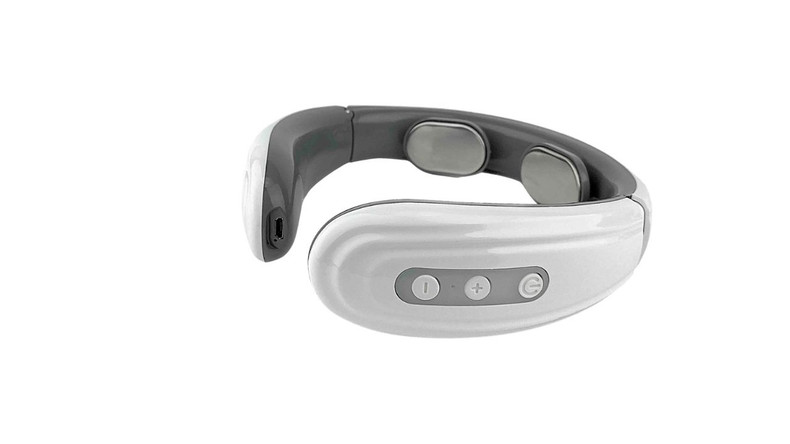
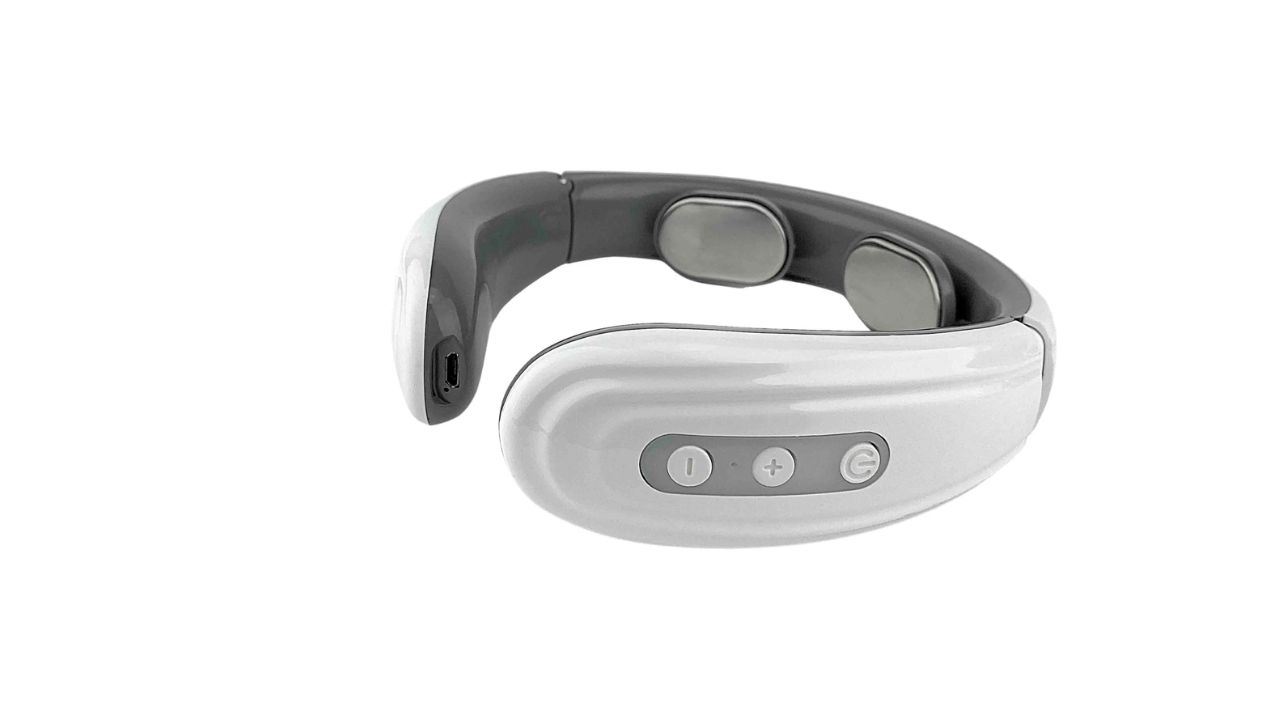
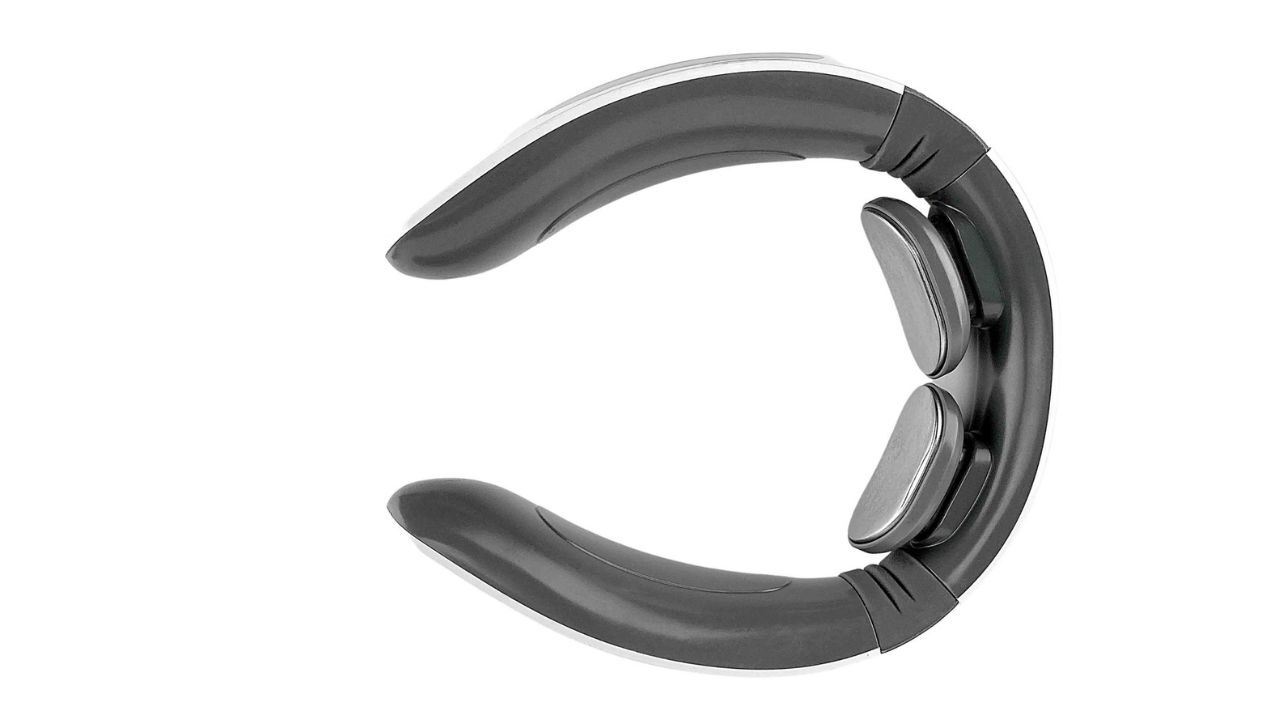
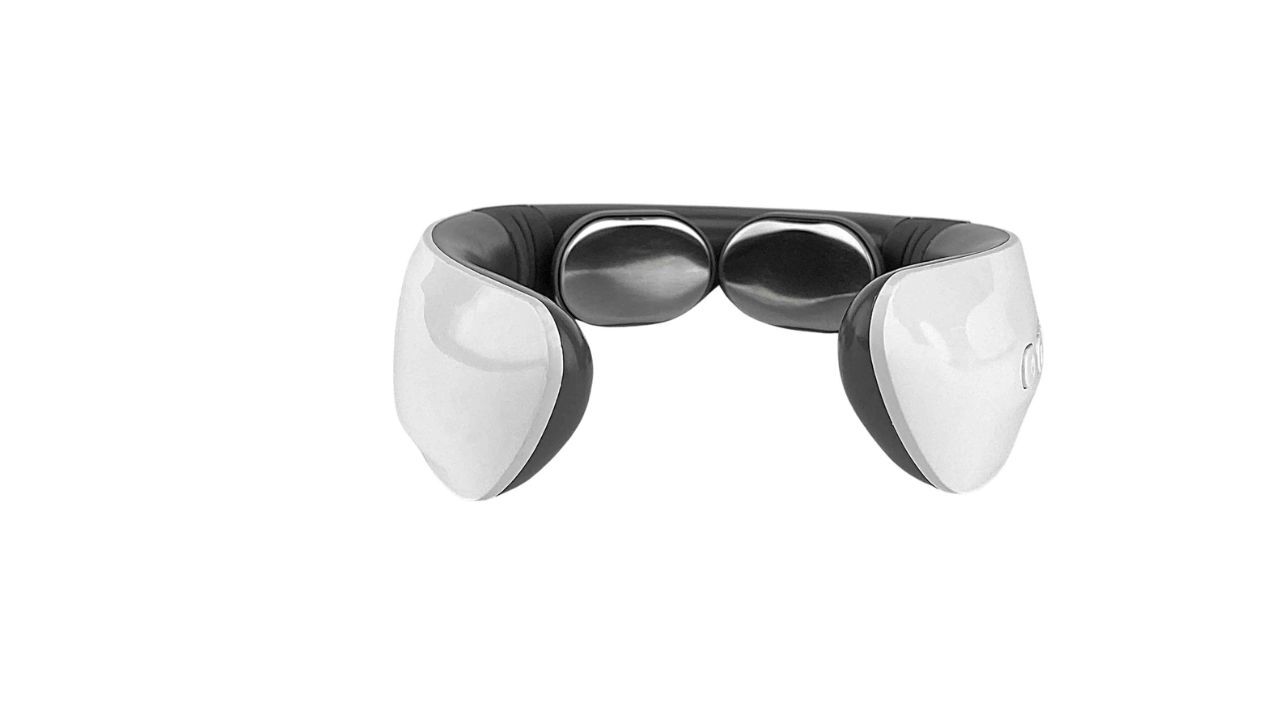
The Feather Light Portable Neck Massager from Top Massage Guns is designed for everyday tension relief. The lightweight feel matters more than most people expect.
A bulky device quickly becomes annoying during regular use. But the best recovery tool is usually the one people actually keep using.
7 Fast Recovery Tips for Using a Neck Massager for Headaches
Tight neck muscles can quietly trigger headaches long before the pain reaches the temples or eyes. These simple recovery tips may help reduce daily tension, improve comfort, and make a neck massager more effective for headache relief.
1. Use a Neck Massager Before the Headache Gets Worse
Many people wait too long. They wait until the headache fully arrives. By then, the muscles are already tight and irritated.
Recovery works better earlier, when the warning signs first appear.
Those warning signs often include:
- stiff shoulders
- tight neck movement
- pressure behind the eyes
- soreness near the skull base
- tension after screen time
Using a massage gun for tension headaches during that early stage may help calm the muscles before the pain spreads.
Think about how people instinctively rub their neck after stressful meetings. The body usually knows where the tension starts.
2. Heat Often Helps Tight Neck Muscles Relax Faster
Heat changes everything for some people.
A warm neck massager after a long workday feels very different from a cold vibration device. The muscles soften faster. The shoulders drop naturally. Even breathing often slows down.
That is why heated recovery tools continue growing in popularity. The Heated Neck Massager Feather Light combines warmth with lightweight neck support.
People dealing with stress-related headaches often prefer gentle warmth because it feels calming instead of aggressive.
Heat may help:
- loosen tight muscles
- improve circulation
- relax trigger points
- reduce shoulder stiffness
- support evening recovery routines
Especially after long desk hours.
3. A Massage Gun is Not Always Better
Some people assume stronger pressure equals better recovery. But around the neck, that logic can backfire fast.
The neck contains smaller muscle groups and sensitive nerves. Too much percussion can sometimes increase irritation instead of helping it.
A massage gun for tension headaches usually works best:
- On low settings
- Around the shoulders
- Near the upper trapezius muscles
- For short sessions
- With slow movement, not directly pressed against the spine
People with migraine sensitivity often prefer softer neck massagers over deep percussion tools. The right choice depends more on comfort than raw intensity.
4. Posture Still Controls Most of the Problem
No recovery tool can fully outwork bad posture. That sounds harsh, but it is true.
Modern “tech neck” posture quietly overloads the neck all day long. The head leans forward, the shoulders tighten, and the upper back stiffens. Then, headaches begin showing up almost like clockwork.
A neck massager for headaches helps recovery. But posture controls how much recovery the body needs in the first place.
Small fixes often help more than people expect:
- Raise screens to eye level
- Stop hunching over phones
- Stretch every hour
- Keep your shoulders relaxed while typing
- Avoid sleeping with stacked pillows
The body notices those tiny changes surprisingly fast.
5. Most People Overuse Their Neck Massager at First
This happens constantly. Someone buys a new recovery tool and attacks every sore muscle like they are scrubbing a dirty pan. Then the neck feels worse the next day.
Gentle recovery usually works better here.
A good starting routine:
- Use low or medium intensity
- Keep sessions under 10 minutes
- Focus on the shoulders first
- Move slowly across tight muscles
- Stop if the area feels irritated
Muscle tension builds slowly over time. Recovery often works the same way. Consistency matters more than intensity.
6. Sleep Position Can Undo Recovery Progress
This catches people off guard all the time.
Someone uses a neck massager at night, feels great, then wakes up stiff again the next morning. The problem may not be the device. It may be the pillow setup.
Bad sleep posture keeps neck muscles tense for six or seven straight hours.
Common problems include:
- sleeping on the stomach
- thick pillows
- twisted neck angles
- unsupported shoulders
- jaw clenching during sleep
A better pillow combined with light evening massage often creates more noticeable relief than aggressive recovery tools alone.
Recovery habits usually work together like pieces of a puzzle.
7. Know When a Headache Is More Than Muscle Tension
A neck massager for migraines may help tension-related discomfort, but not every headache comes from tight muscles. Severe migraines, dizziness, numbness, blurred vision, or sudden intense pain should always be checked by a medical professional.
Physical therapists often recommend gentle stretching, posture correction, heat therapy, and stress reduction for muscular neck tension. But persistent headaches deserve proper medical attention.
Recovery tools support the body. They are not replacements for healthcare. That distinction builds trust and helps people make safer choices.
What to Look for Before Buying a Neck Massager for Headaches
The best device is not always the most expensive one. For headache-related tension, comfort and usability matter most.
Look for:
- lightweight design
- adjustable intensity
- quiet operation
- portable size
- heat option
- automatic shutoff
- ergonomic neck fit
Heavy recovery tools often end up sitting in drawers because they feel inconvenient. Portable tools from Top Massage Guns fit better into normal daily routines. During flights, after work, while reading, and even during quick breaks between meetings.
That daily usability matters more than flashy marketing claims.
5 Mistakes People Make With a Neck Massager for Headaches
A few common mistakes keep showing up again and again:
- Using maximum pressure immediately
- Pressing directly against the spine
- Ignoring posture habits
- Expecting instant permanent relief
- Using recovery tools only after severe pain starts
The people who usually see the best results treat recovery like brushing teeth. Small daily care beats emergency fixes every time.
That is probably why lightweight recovery tools are becoming so popular now. Life already feels heavy enough. Most people do not want another complicated wellness gadget sitting in the corner collecting dust. They just want something simple that helps their shoulders relax before another headache steals the rest of the evening.