
Ankle’s so swollen they feel like water balloons. Feet so tender that even your comfiest slippers feel like torture devices. Legs that ache with a deep, throbbing sensation, no matter how much you elevate them.
Sound familiar?
Pregnancy does remarkable things to the body, but let's be honest, some of those changes are downright uncomfortable. As the weeks progress and extra weight accumulates, the lower extremities often bear the brunt of the burden. That massage gun sitting in the closet starts looking awfully tempting. After all, it worked wonders on post-workout soreness before pregnancy, so why wouldn't it help now?
The truth is a bit more complex than a simple yes or no. Can you use a massage gun while pregnant? is a question that deserves a thorough, nuanced answer because the stakes are higher when there's a baby on board.
What mainstream medical groups say about massage in pregnancy
General massage performed by trained prenatal therapists is widely accepted as safe for most pregnant people after early pregnancy, with clear caveats for high-risk conditions. Major professional bodies encourage safe positioning and trained practitioners when getting a prenatal massage in a clinic setting. The focus of clinical guidance is on avoiding positions and techniques that could cause stress during pregnancy and on screening for conditions that make massage unsafe.
How massage guns differ from hands-on prenatal massage
Massage guns deliver percussive bursts of pressure and vibration at a higher frequency and with more localized force than hands-on prenatal massage. That difference means the device can reach deep tissue quickly, but it also means intensity and placement must be managed more precisely. Scientific reviews on percussive devices show they can increase local blood flow and help with muscle soreness and range of motion, yet evidence specific to pregnancy is limited. Clinical recommendations for pregnancy therefore, rely on the known effects of percussion and the established pregnancy precautions from obstetric doctors.
Core safety considerations specific to pregnancy
Pregnancy alters physiology in ways that change risk profiles. The most important safety considerations for massage gun use on sore legs and feet are these.
First, avoid using a massage gun over the abdomen at all times. No device should be applied directly over the uterus or the belly.
Second, do not apply vigorous or prolonged pressure over areas with visible varicose veins or any site that might hide a blood clot. Conditions such as preeclampsia and a history of deep vein thrombosis increase the risk associated with vigorous massage of the legs and should rule out massage guns unless a clinician clears it.
Third, many experts suggest avoiding deep or aggressive massage during the first trimester and recommend discussing any planned therapy with the prenatal care provider. These are not theoretical cautions.
What the research says about percussive therapy in pregnant populations
Direct research on massage gun use in pregnancy is sparse but emerging. A recent clinical review of percussion devices shows benefits for reducing myofascial tension and improving circulation in general populations. There are also early studies that specifically evaluated percussion applied to lower extremities in pregnant participants, reporting improvements in pain and edema in controlled settings.
Those studies are small and still limited, but they suggest potential benefits when applied carefully and with clinical oversight. The limited state of the evidence is the reason clinical caution and provider consultation are repeatedly recommended.
Practical, conservative rules for using a massage gun on legs and feet during pregnancy

If a healthcare provider gives explicit clearance, these practical rules reduce risk while allowing potential benefit.
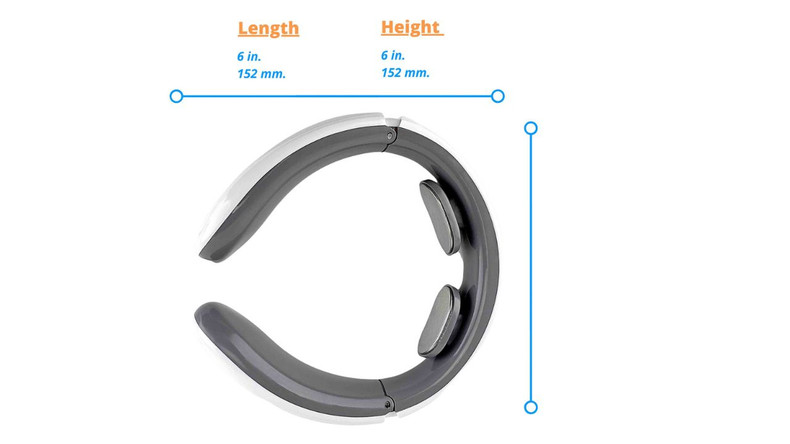
Use low intensity only. Keep sessions short. Focus on the muscle bellies and away from large veins, swollen areas, and the front or sides of the neck, just like with a feather light portable neck massager designed for gentle relief. Avoid the abdomen entirely. Keep the gun moving rather than holding it in one spot. Stop immediately with any unusual pain, lightheadedness, swelling that worsens, or signs of circulation changes. These simple controls respect both the physiological changes of pregnancy and the stronger mechanical action of a percussion device.
When not to use a massage gun
Do not use a massage gun without a clinician's approval if the pregnancy is classified as high risk. Conditions that typically require avoidance include preeclampsia, known clotting disorders or a prior history of deep vein thrombosis, significant placenta or bleeding issues, or uncontrolled gestational diabetes if the clinician advises caution. If there is any uncertainty about a leg symptom being a simple muscle ache versus a vascular problem, a medical assessment should come first. These are sensible limits grounded in safety rather than convenience.
Quality and safety of the device
Not all are of the same quality when it comes to massage guns. When it comes to pregnancy, the quality of the device, the appropriate attachments, and the reliability of the safety features matter. There have been recalls and alerts on specific personal massager models due to overheating or other malfunctions.
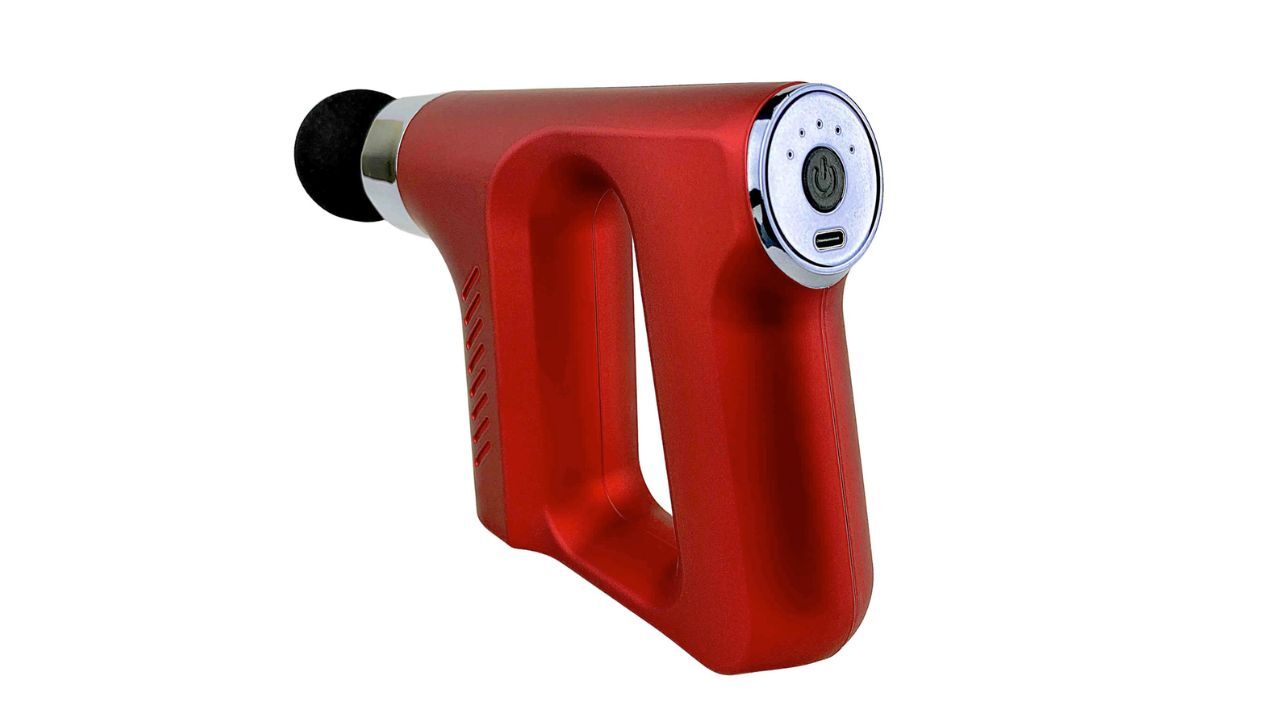
Staying with a reputable device and following the manufacturer's recommendations (i.e., charge the batteries safely) and avoiding any attachments that look damaged will minimize the risks for the user. For this, consider a compact full-body massage gun with reliable safety features. When in doubt about the quality, attachments, or device, avoid the device during pregnancy until women's products or safety measures can be established.
How to discuss this with the prenatal care team
Discussing this with a prenatal care team works better when the questions are concrete and focused. A provider pays closer attention when a patient mentions vascular history, swelling that creeps up without warning, or odd leg sensations that feel off. A short, low-intensity trial session can be requested, though the team usually wants clarity on duration and acceptable areas for use. Some bring a list; others just point to the spots that bother them.
If the provider says no, that ends it. Plenty of safer options exist: gentle prenatal massage from someone trained, slow targeted stretches, simple elevation when swelling flares, compression socks when they’re truly needed, and clinician-directed physical therapy for pain that refuses to settle down. Medical judgment beats any shiny device pitch or internet chatter, especially during pregnancy, and ignoring that tends to create more trouble than relief.
Purchase Safe, Reliable Massage Guns that Keep You Comfortable
If a physician feels it is safe for you to use a massage gun while pregnant, it is equally vital to find a safe and trusted device, apart from the way it is used. This is where Top Massage Guns comes in. The site was designed to allocate only high quality massage guns that are easy to direct and operate, gentle at low levels, and safe for unique designs and sensitive areas.
It cuts through your options and helps you find devices that can help alleviate pain, without excessive backgrounds. For anyone who wants comfort, durability, and a tool that is safe and well implemented, you won't have to worry about using Top Massage Guns.