
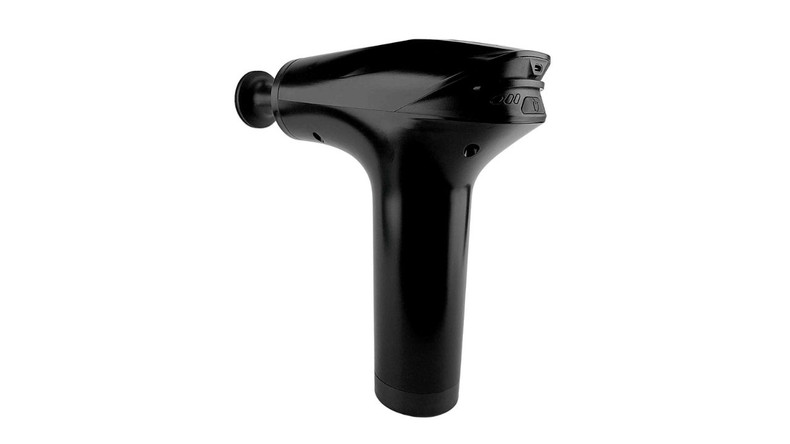
There comes a point when a massage gun stops feeling like a trendy gadget. It starts to feel like a tool that actually helps your muscles recover.
This usually happens when people notice something important: not all massage guns work the same. Some feel strong and steady in tight muscles, while others lose power the moment you press them into sore areas.
So what makes one device better than another? Most of the time, the answer is massage gun technology. The parts inside control how it performs. The motor, speed settings, and amplitude have the biggest impact on how intense the massage feels. Other features, like stall force, noise level, and battery life, also matter.
Once you understand these details, choosing the right device becomes simple. You don’t have to rely on marketing claims. Instead, you can focus on the massage gun specs that actually help with muscle recovery.
This guide explains the most important massage gun features and technology so you know what to look for before buying.
The Motor – The Heart of a Massage Gun
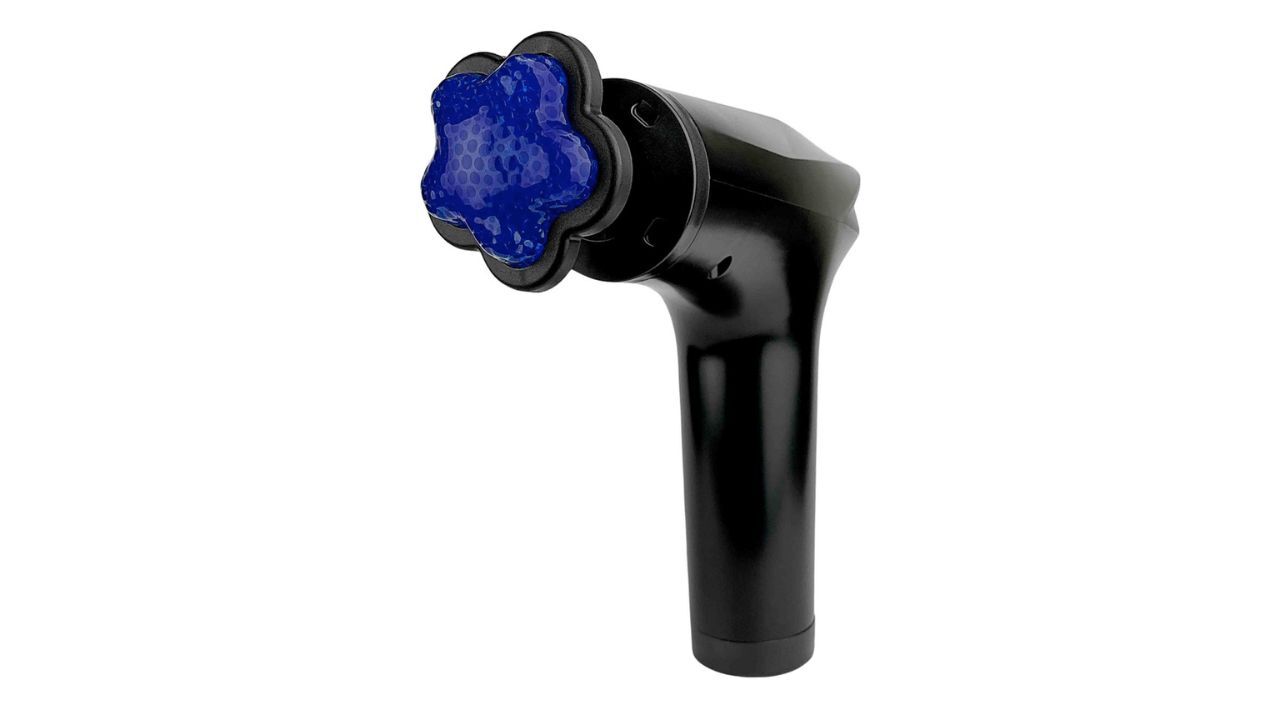
Every massage gun has a motor that moves the head on the gun back and forth. This is what makes it hit hard enough to work on sore muscles. The motor is also the main factor that separates a high-quality device from a weak one.
Two main motor types:
- Brushed motors – Old design, cheap, often found in sub-$150 guns. They wear out faster, make noise, and lose power after months of use.
- Brushless motors – Modern design with magnets and electronics. They are quieter, last longer, and maintain strong torque even under pressure.
Tips for choosing a motor:
- Choose a brushless motor for better performance and durability.
- Wattage around 60–100 W works well for home use.
- Higher stall force (50–70 lbs) means the motor won’t bog down on thick muscles like glutes or hamstrings.
Speed Settings – Not Just the Number of Levels
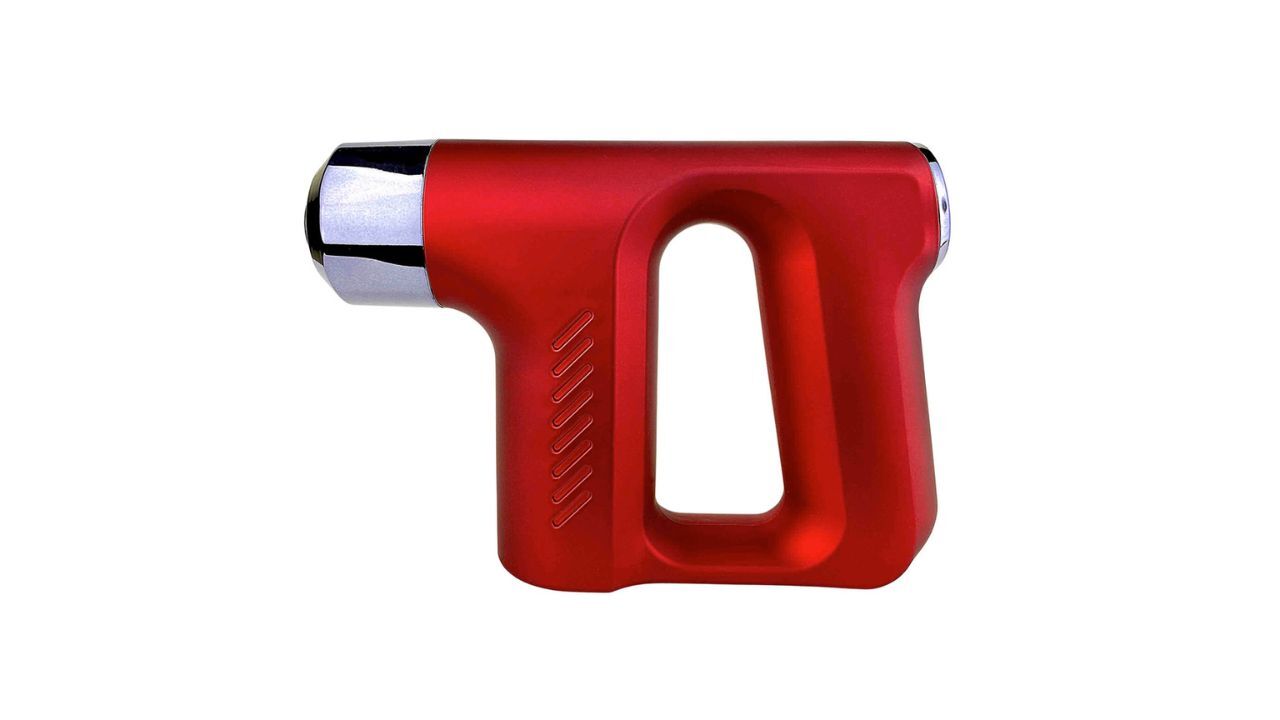
Many products advertise 20 or 60 speed settings. But what really matters is range and control, not quantity.
A good massage gun should cover these speed zones:
|
Speed Zone (RPM) |
Best For |
|
1200–2000 |
Gentle warm-up, sensitive areas, post-injury tissue |
|
2000–2600 |
Everyday recovery, loosening fascia |
|
2700–3400 |
Deep tissue, trigger points, heavy workouts |
Pro tips:
- Some advanced guns, like our high torque massage gun, have variable-speed triggers. Pull lightly for a slow speed, squeeze harder for a fast speed.
- Avoid cheap units that lose power below 1800 RPM and start stuttering. Smooth torque at low speeds matters for sensitive areas.
Amplitude – The Depth That Makes a Difference
Amplitude is the distance the massage head travels with each hit. It determines how deep the massage reaches.
- 8–12 mm → Light recovery, relaxation, or yoga cooldowns.
- 14–16 mm → Deep-tissue work, like a therapist’s elbow. Most people feel real relief at this range.
- 16+ mm → Serious deep-tissue sessions. Requires a strong motor to avoid stalling.
Things to keep in mind:
- Higher amplitude needs a powerful brushless motor.
- Adjustable amplitude sounds good, but most users leave it at the deepest setting.
- Combining high amplitude + brushless motor + quiet operation is why premium guns cost more.
How Motor, Speed, and Amplitude Work Together
A great massage gun isn’t about having the highest number in one category. It’s about balance:
- Motor – Strong enough for thick muscles without stalling.
- Speed – Smooth range from gentle to aggressive, not just a bunch of useless steps.
- Amplitude – Deep enough for real relief but paired with a motor that can handle the pressure.
Ideal specs for home or athletic use:
- Brushless motor, 70–90 W
- 1200–3300+ RPM range, smooth or variable trigger
- 14–16 mm amplitude
- Stall force 50+ lbs
- Noise under 60 dB
When these numbers align, the massage gun works as it should. It eases soreness, improves circulation, breaks up tight fascia, and speeds up muscle recovery.
Benefits of Using a Massage Gun for Muscle Recovery
Understanding how a massage gun works shows why it’s so effective for muscle recovery and performance.
- Reduces Muscle Tension and Soreness
A massage gun relaxes tight muscles and eases stiffness, helping reduce post-workout soreness. Massage gun therapy can cut delayed onset muscle soreness (DOMS). A 2014 study found vibration therapy effective for preventing DOMS and boosting muscular endurance and power over time. - Improves Blood Flow and Lymphatic Health
The pulsing motion boosts circulation and helps the lymphatic system remove waste. This can reduce swelling and speed recovery. - Supports Sports Performance and Recovery
Using a massage gun before or after exercise keeps muscles flexible and ready to move. Over time, this may improve sports performance and shorten recovery time. - Relieves Pain and Aids Injury Recovery
It can ease discomfort in tired or stiff muscles. Many people use it after minor injuries to regain movement safely. - Improves Mobility and Loosens Scar Tissue
Regular use helps muscles move more freely. It may also reach tight spots and loosen minor scar tissue, supporting better overall movement and injury prevention.
Wondering where to use a massage gun and areas to avoid? Check out 7 Safe Zones & 5 Dangerous Places Where Not to Use a Massage Gun
Why Should You Get the Right Massage Gun?
Not all massage guns are the same. Choosing the right one matters not just for muscle recovery, but also to avoid injury and get the most out of your device.
Here are the key things to consider when buying a massage gun:
- Battery Life
Some guns plug into a wall, but most people prefer portable units. A long-lasting battery makes it easier to use anywhere, be it before workouts, after training, or even on the go. - Stall Force
Stall force is the pressure it takes to stop the motor. A higher stall force means the gun can push deeper into thick muscles without slowing down. - Amplitude
Amplitude is how far the massage head moves with each hit. It works together with stall force to determine how deep your massage goes. - Matching to Your Needs
If you have larger or tighter muscles, look for a gun with higher stall force and longer amplitude. This ensures the device actually reaches and relieves sore spots effectively. - Other Features to Consider
- Percussion range (RPM)
- Number of speed levels
- Number and type of massage gun attachments
These details help you pick a gun that suits your muscle recovery goals.
Maximize Your Muscle Recovery with the Right Massage Gun
The right deep tissue massage gun can help your muscles recover faster. It reduces soreness, improves blood flow, and relaxes tight muscles after workouts. Choosing one with the right motor, speed, and amplitude ensures it works well for your body.
A massage gun for muscle recovery isn’t just for athletes. Imagine a weekend warrior who just finished a long run. Their quads and calves are tight, and soreness usually lasts for days. Using a massage gun right after the run relaxes muscles, boosts circulation, and speeds recovery. A yoga enthusiast uses it on her shoulders and lower back after a deep stretch session. Even someone with a desk job can ease tension in the neck and prevent stiffness during long workdays.
Want the best options? Check out expert reviews at Top Massage Guns to find the perfect device for faster, safer muscle recovery.
Frequently Asked Questions
Are massage guns good for muscle recovery?
Yes, many people use a massage gun for muscle recovery after workouts. The fast pulses help loosen tight muscles. They also improve blood flow in the area. This can help reduce soreness after exercise.
How long should you use a massage gun on each muscle?
You usually only need about one or two minutes on each muscle group. That is enough for most people. Using a massage gun for a short time often works better than using it too long.
Can a deep tissue massage gun help with back pain?
A deep tissue massage gun can help if the pain comes from tight muscles. The quick pulses help relax the muscle and release tension. Many people use it on the lower back, shoulders, and neck.
Should you use a massage gun before or after workouts?
You can use a massage gun both before and after exercise. Before a workout, it helps warm up the muscles. After exercise, a massage gun for muscle recovery can help ease soreness.
What should you look for when buying a massage gun?
When buying a deep tissue massage gun, look at the main features. Motor power, amplitude, and stall force are important. Speed settings and battery life also matter. These features affect how strong the massage feels.