
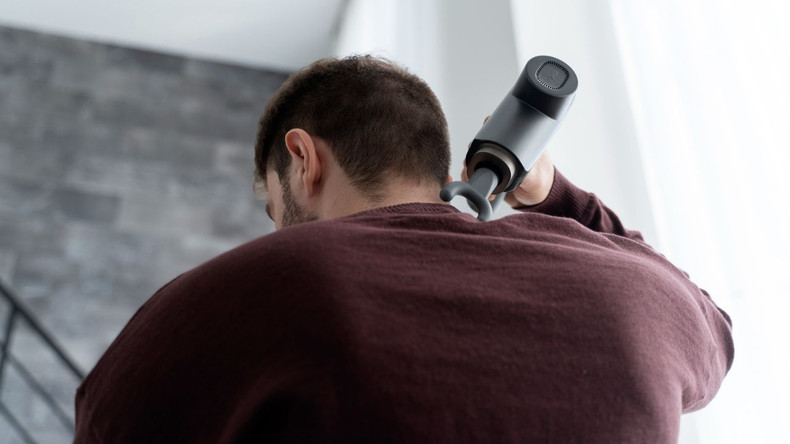
Massage gun attachments decide how deep, how safe, and how useful your recovery will be, especially if you deal with daily stiffness or back pain.
Many buyers focus on speed levels and battery life. But the attachment head does most of the real work. Choose the wrong one and the massage feels sharp or useless. Choose the right one and the muscle softens in minutes.
This guide walks you through what each attachment does, why it matters, and how to choose it calmly, without being influenced by marketing noise or gym-bro advice.
Why are Massage Gun Attachments Important
A massage gun is just a motor with a handle. The attachment is the part that touches your body. That is where pressure spreads, nerves react, and blood flow changes. Think of it like shoes. The same road feels easy in running shoes and painful in hard sandals. Your muscles respond the same way.
People often buy a powerful gun and then complain that it hurts or does nothing. Most of the time, the problem is not the gun. It is the head attached to it.
For people searching for massage gun attachments for back pain, this matters even more. The back has bones close to the skin, thin muscle layers in some areas, and deep knots in others. One wrong head can cause bruises or nerve irritation.
Again, no single attachment is “best” for the whole body.
Each head is built for a type of muscle, depth, and sensitivity level. You need at least three to cover most real-life needs: soft tissue, deep knots, and spine-safe zones.
That simple truth saves money and pain.
Most Common Massage Gun Attachments
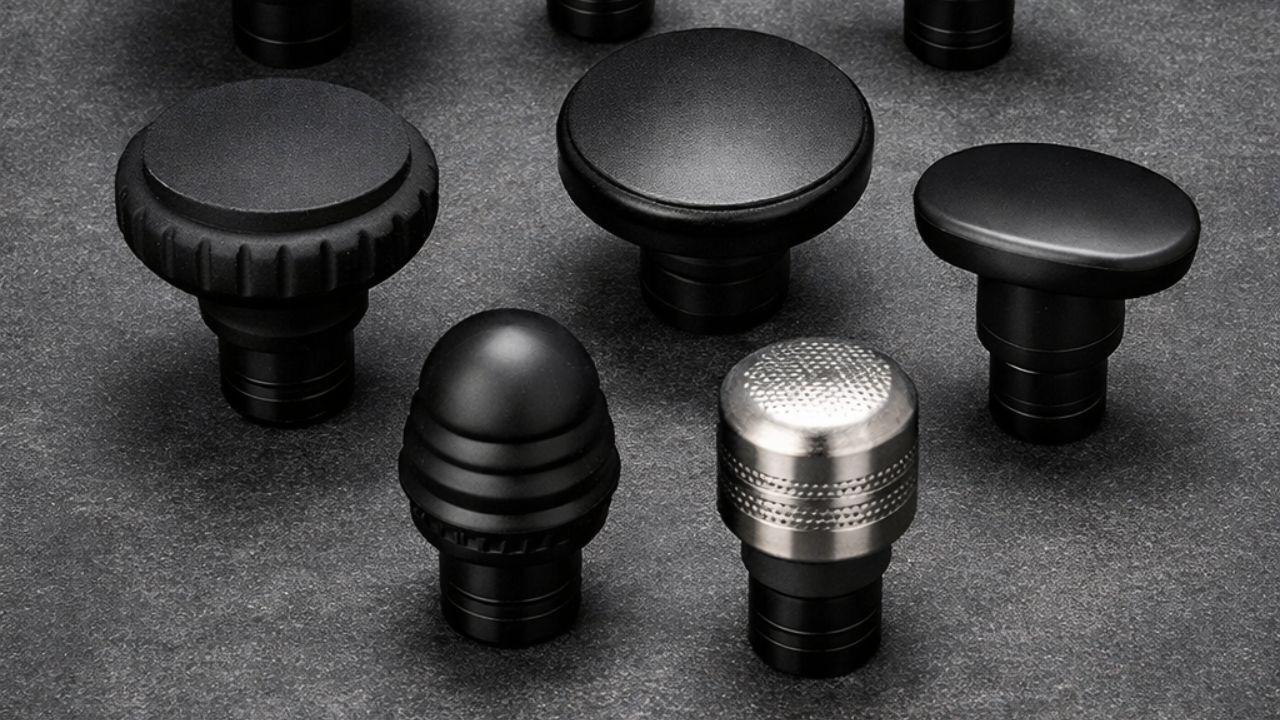
Most quality kits include 5 to 8 heads. They look small, but each shape tells a story.
Here are the ones you will see often:
- Ball head – round, soft, general use
- Flat head – firm but gentle, good for large muscles
- Bullet head – narrow, deep trigger points
- Fork head – U-shape, safe around spine
- Air cushion head – soft rubber, sensitive areas
- Wedge head – shoulder blades, IT band
- Thumb head – curved, lower back, and neck sides
Now let’s turn these shapes into real advice.
8 Practical Tips to Use Massage Gun Attachments Safely and Effectively
The right attachment can turn a massage gun into a powerful recovery tool. The wrong one can cause pain, bruising, or zero results. Use these tips to get real relief, not regret. Here are 8 tips to guide you the right way:
Tip 1: Start Soft Before Going Deep
Deep tissue sounds attractive. Everyone wants fast results. But muscles behave like cold rubber bands. If you pull too hard, they snap or tighten more.
A soft ball or air cushion head warms tissue first. Blood moves in, pain drops, and only then does deeper work make sense.
Many physios suggest starting every session with a soft head for 60 to 90 seconds per area. It feels slow, but it prevents soreness the next day.
People who skip this step often think massage guns “do not work.” In truth, their muscles never got ready.
Tip 2: Use the Fork Head for the Spine, not the Bullet
The spine is not a muscle. It protects nerves.
A fork head is shaped to sit on both sides of the spine while leaving the bones alone. This design is not marketing. It is basic anatomy.
For anyone looking for massage gun attachments for back pain, this is the safest starting point. The bullet head should never go directly on the spine. It is for knots in thick muscles like glutes or calves.
A simple rule guides many therapists:
Soft or fork near bones. Sharp heads only on thick muscle.
Tip 3: Match the Head to the Muscle Size
Big muscles like thighs and upper back need wide surface contact. Small muscles like forearms and feet need a narrow focus.
Using a bullet head on the thigh is like poking a wall with a pen. It hurts and does little. Using a flat or ball head spreads pressure evenly. The muscle relaxes instead of guarding.
This one choice changes the whole experience from “why did I buy this?” to “okay, this works.”
Tip 4: Back Pain Needs Patience, Not Power
Back pain rarely comes from one tight spot. It builds over weeks from posture, stress, weak hips, or long sitting.
A smart routine uses different heads in steps:
- Start with the ball head on the upper and lower back sides
- Move to the fork head along the spine
- Use the thumb head near the waist muscles
- Finish soft again
People rush and press hard in one spot. That often makes pain bounce back. Slow passes work better than brute force.
Tip 5: Choose Rubber Over Plastic for Daily Use
Hard plastic heads feel sharp over time. Rubber or silicone feels warmer and gentler. Daily users notice this difference after a week.
Many newer kits now include softer materials, which is a good sign. It shows brands are learning from physical therapy design, not just gym trends.
Our products at Top Massage Guns highlight this detail when reviewing newer models and accessories. It saves buyers from ending up with unused hard heads sitting in drawers.
Tip 6: Speed Matters Less Than Control
Attachments change how speed feels. High speed with a bullet head can feel like a jackhammer. Low speed with a flat head can melt tension.
Control beats raw numbers. Good attachments reduce vibration travel into joints and hands. This protects wrists as well, something few buyers think about early.
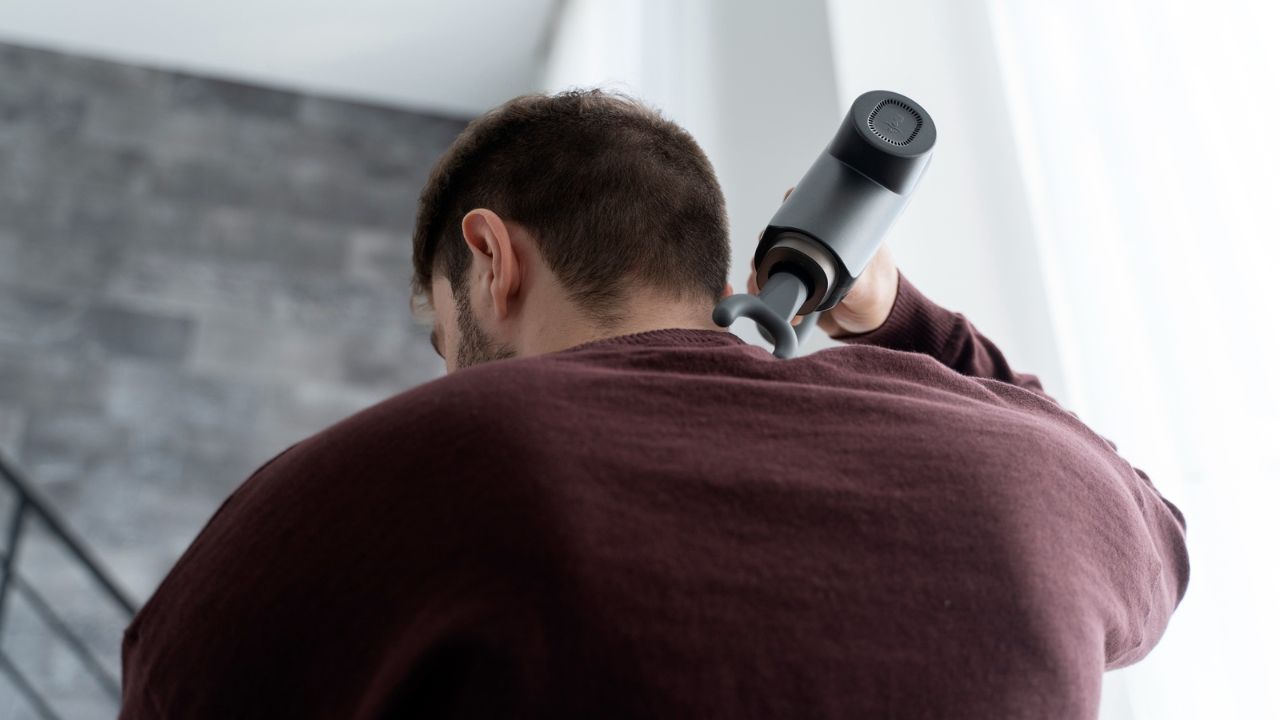
Tip 7: Your Lifestyle Should Guide Your Choice
Not everyone uses a massage gun for sports. Some buyers are runners, others sit at desks, and some stand all day in shops or kitchens.
Each group feels pain in different places.
Common patterns include:
- Office workers feel pain in their necks, shoulders, and lower backs
- Runners feel it in their calves, hamstrings, and feet
- Drivers feel pain in their hips and mid-back
- Gym users feel it in their quads and glutes
Attachments should match these zones, not just what looks impressive on the box.
At Top Massage Guns, we clearly explain what kind of pain each massage gun is built to treat, so buyers do not waste money on attachments they will never use.
Tip 8: Pain During Use is a Warning, Not Progress
There is a myth that pain equals healing. Real muscle release feels like pressure mixed with warmth, not a sharp sting.
If you flinch, hold your breath, or tense up, the attachment is wrong, or the pressure is too high. Long-term relief comes from calm nervous system signals, not shock.
Real Buying Questions People Ask Quietly
When people shop, they rarely ask brands honest questions. They ask themselves.
Is this safe for daily use?
Will this help real back pain or just soreness?
Do I need all these heads or just two good ones?
Is this worth the price or just plastic in a case?
These doubts are normal.
Most users end up using three attachments regularly and ignore the rest. A soft ball, a fork, and one deep trigger head cover 90 per cent of needs.
Everything else is optional.
How to Test Attachments in the First Week
The first week decides whether your massage gun becomes a daily habit or ends up forgotten in a drawer. This is when your muscles learn to trust the pressure, and when you learn which attachments actually suit your body.
A simple plan works:
- Day 1–2: soft head only, slow speed
- Day 3–4: add a fork for back or flat for legs
- Day 5+: test the bullet gently on knots
Notice how your body feels the next morning. Relief should last hours, not minutes. If pain increases, switch heads or lower speed.
Your body gives feedback fast if you listen.
Small Mistakes that Reduce Results
Most people use massage guns with good intentions, but small habits quietly undo the benefits. These mistakes do not look serious, yet they often explain why relief fades fast or never comes.
Some of them are:
- Using a bullet head on the neck
- Pressing instead of letting the gun float
- Using the same head for the whole body
- Long sessions over one sore spot
- Ignoring soreness the next day
Fixing just one of these improves results more than buying a stronger device.
The One Decision That Shapes Your Results
A massage gun should feel like a steady, helpful hand, not a loud power tool attacking your muscles.
Most people shop for strength. Fewer think about comfort, control, and how their body will react after the session ends. That second group usually stays pain-free longer, sleeps better, and actually looks forward to using their device again.
When buyers slow down and choose attachments the way hikers choose shoes, recovery stops feeling like work. It becomes part of the day, like stretching after a walk.
So the real question is not how many heads come in the box, but which one your body will trust when it experiences stiffness again.