
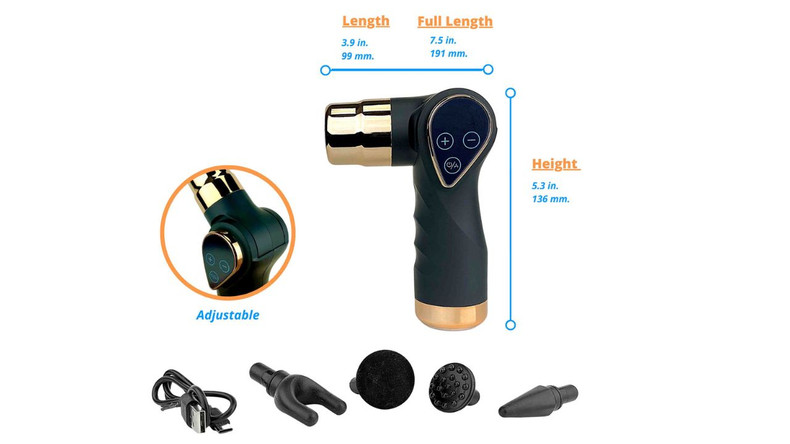
That nagging knot between your shoulder blades. The tight calves after yesterday's run. The lower back tension that's been your unwelcome companion for weeks. You've heard massage guns can help, and you're ready to try one. But here's the thing: just because these devices look straightforward doesn't mean you can point and shoot without knowing what you're doing.
Getting it wrong can turn a recovery tool into a source of more pain. And that's exactly what we're going to prevent.
Understanding What Massage Guns Actually Do to Your Muscles
Before you turn on that device, it is useful to have some understanding of what is going on underneath your skin. The massage guns apply fast, repetitive pressure to deep muscle tissue through a process called percussive therapy. This is not just vibration. Instead, it is pinpointed, intense contact that can penetrate layers that usual foam rolling would not affect. When percussive therapy is applied to sore muscles, a few different things start happening at once.
To start, blood vessels expand into the area, allowing new red blood cells to come in with fresh oxygen and nutrients, as well as clearing metabolic waste. The mechanical overload also causes the adhesions in the fascia (the connective tissue that wraps around your muscles like a web) to break up. Your nervous system gets the disturbed signals, which can diminish pain. And perhaps most importantly, the muscle fibres themselves get prompted to relax and lengthen.
Put it like this, your tight muscle is like a fist. With a manual massage, for example, someone is gently pulling the fingers open. With a massage gun, you are rapidly tapping that fist until it releases.
Start with the Golden Rule: Never Use High Speed on Sore or Inflamed Tissue
Fresh soreness, think the kind that shows up 12-48 hours after a tough workout, is inflamed tissue. Blood flow is already increased, capillaries are leaky, and nerves are on high alert. Blasting that area with 3200 percussions per minute is like taking a pressure washer to a sunburn. It feels intense in the moment (and not in a good way).
Instead, always begin on the lowest speed setting. Let the gun glide over the muscle for 30-60 seconds before even thinking about increasing intensity. The body needs time to say, “Oh, this is safe.” Only then can deeper work actually help instead of harm.
Warm the Tissue First | Always
Cold, stiff muscles hate sudden impact. Five minutes of light cardio (brisk walk, jumping jacks, arm circles) or a warm shower raises tissue temperature and makes everything more pliable. Think of it like kneading dough. Cold dough tears. Warm dough stretches beautifully.
Once the area feels looser, spend another 1-2 minutes using the massage gun on low speed with a large ball attachment. This “flushes” the muscle, brings fresh blood, and preps the nervous system. Only after that warm-up phase should anyone consider targeting specific knots.
The 15-15-15 Sweet Spot
Research on percussion therapy keeps pointing to one simple protocol that delivers results without overdoing it:
- 15 seconds per square inch
- 15 total minutes max per major muscle group per week (spread across several short sessions)
- 15 total minutes max for the entire body in one sitting
That might sound conservative, but it protects nerves, blood vessels, and fragile structures like tendons. People who follow the 15-15-15 rule almost never report bruising, lingering soreness, or that scary “numb” feeling afterwards.
Attachment Heads Matter More Than Most Realize
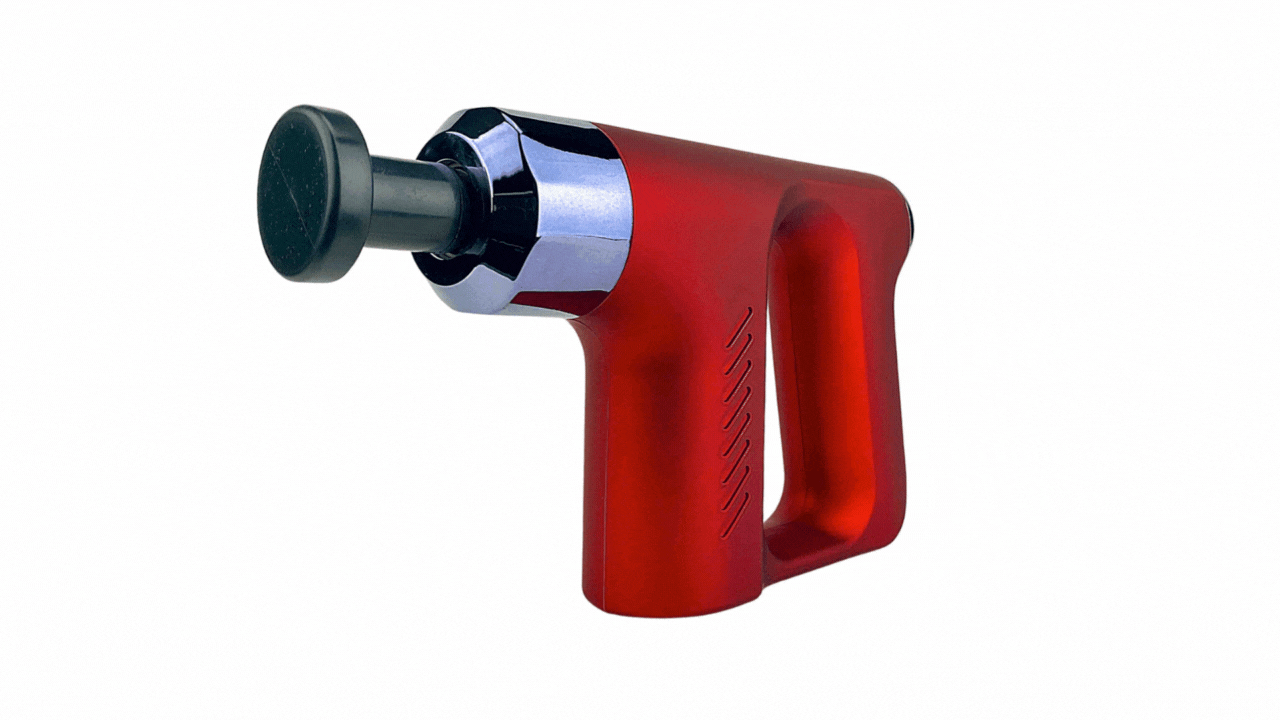
The average massage gun comes with four to six heads. Randomly switching between them is a recipe for trouble.
- Large ball (soft or firm): Everyday flushing and general work. Safest choice 90% of the time. Pair it with a compact full-body massage gun for precise control.
- Flat head: Great for bigger areas like quads, hamstrings, and lats when moderate pressure is needed.
- Bullet or fork: Only for experienced users on very specific trigger points, and never on bone or directly over the spine.
- Heated or cold heads: Wonderful when used correctly, but never jump straight to extreme temperatures on angry tissue.
Switching to a bullet head too early is the number-one reason people end up with golf-ball-sized bruises the next day.
Bone, Nerves, and No-Go Zones
This deserves its own section because it’s non-negotiable.
Never put a massage gun directly on:
- Spine or bony prominences (kneecaps, elbows, ankles, collarbone)
- Front or sides of the neck (carotid artery and major nerves live here)
- Kidneys (lower back, just above the waistline on both sides)
- Any area with recent bruising, open wounds, or varicose veins
- Abdomen if pregnant or within six weeks postpartum
Hovering the gun a half-inch above these spots is fine for light vibration, but direct pressure is asking for trouble.
Timing Makes or Breaks Recovery
When someone learns how to use massage guns like a pro, timing becomes everything.
- Pre-workout (2-3 minutes light speed): Wakes up the nervous system, increases blood flow, may improve range of motion.
- Intra-workout (between sets): 10-15 seconds per muscle can reduce perceived fatigue, but only if the gun stays on low.
- Post-workout (within 30 minutes): A 2-minute flush per muscle group helps clear metabolites and reduces next-day soreness.
- True recovery days: Longer 6-10 minute sessions on low-to-medium speed feel heavenly and speed tissue repair.
Skip the gun entirely on active rest days if the muscles still feel beat up. Sometimes the best recovery tool is… doing nothing at all.
Pressure: Float Like a Butterfly, Not a Freight Train
A common mistake is pressing down hard because “more pressure equals deeper work.” This is misinformed. The gun already delivers 20-60 pounds of force, depending on the model. Adding body weight on top can compress blood vessels and nerves, turning a recovery tool into a pain generator.
The correct technique is called “floating.” Let the weight of the gun itself do 90% of the work. Use the handle like a paintbrush, guiding it slowly (about one inch per second) along the muscle fibres. When a tight spot is found, pause for 10-15 seconds, breathe deeply, and let the percussion do its magic. The moment pain shoots or the muscle braces, back off immediately.
Hydration and Electrolytes Amplify Results
Percussion therapy drives fluid into muscle tissue. Without proper hydration, that fluid shift can leave people feeling stiff or crampy hours later. Drink an extra 16-20 ounces of water (with a pinch of sea salt or an electrolyte tab) within the hour after a session. The difference in how muscles feel the next day is shocking.
Red Flags | When to Put the Gun Down
Even when someone masters how to use massage guns, the body sometimes waves a yellow or red flag:
- Sharp, electric, or burning pain
- Numbness or tingling that lasts more than a few seconds
- Visible bruising that appears within minutes
- Swelling or heat that worsens after use
- Dizziness or nausea (especially if working near the neck)
Any of these means stop immediately. Ice, rest, and consider seeing a physical therapist or sports-medicine doctor.
Building a Simple 5-Minute Daily Routine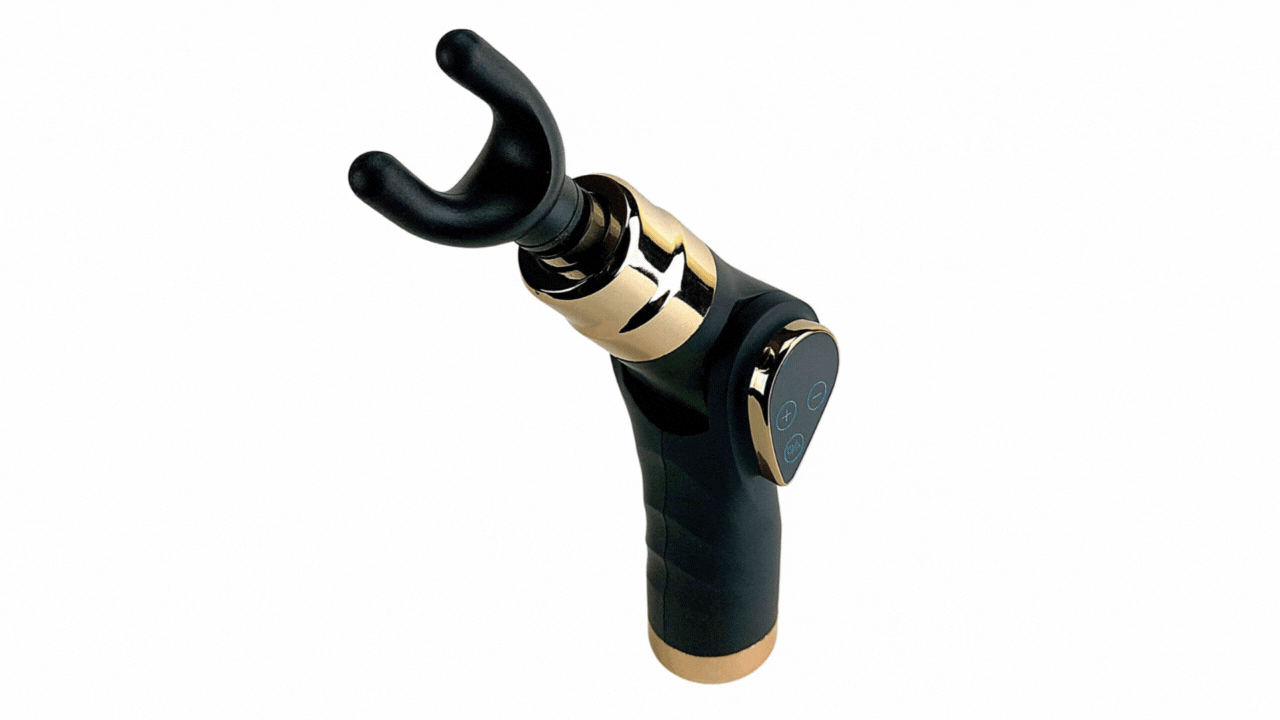
For everyone who just wants to feel human again without overthinking, here’s a foolproof sequence:
- Warm up (2 minutes light movement or shower)
- Large ball attachment, lowest speed
- 60-second flush on quads, hamstrings, glutes
- 60-second flush on upper back and lats
- 30 seconds each on forearms and calves
- Finish with 30 seconds of gentle neck traction (gun held lightly under the base of the skull, no direct pressure on spine)
- Drink water and move on with the day.
That’s it. Five minutes. Do it daily and watch chronic tightness melt away. You may also check out our user-friendly device, like our folding full body massage gun.
Long-Term Benefits Backed by Science
Studies published in the Journal of Clinical & Diagnostic Research and the International Journal of Sports Physical Therapy show that consistent, moderate percussion therapy:
- Reduces delayed-onset muscle soreness by up to 40%
- Improves range of motion more effectively than static stretching alone
- Speeds clearance of lactate and other metabolites
- Lowers perceived pain levels in chronic conditions like plantar fasciitis and IT-band syndrome
The keyword is consistent and moderate. The people who get hurt are almost always the ones who treat the gun like a weapon instead of a precision instrument.
Ready to Make Your At-Home Muscle Care Safer and Easier?
If you want a massage gun that’s built for safety, comfort, and real relief, choosing the right device matters. Top Massage Guns offers high-quality massage guns designed with adjustable speeds, quiet motors, and easy-grip handles so you stay in control during every session. Whether you’re dealing with tight shoulders, tired legs, or everyday muscle soreness, their tools help you get steady, gentle relief right at home. Explore our collection and pick a device that supports your recovery without adding stress to your routine.