
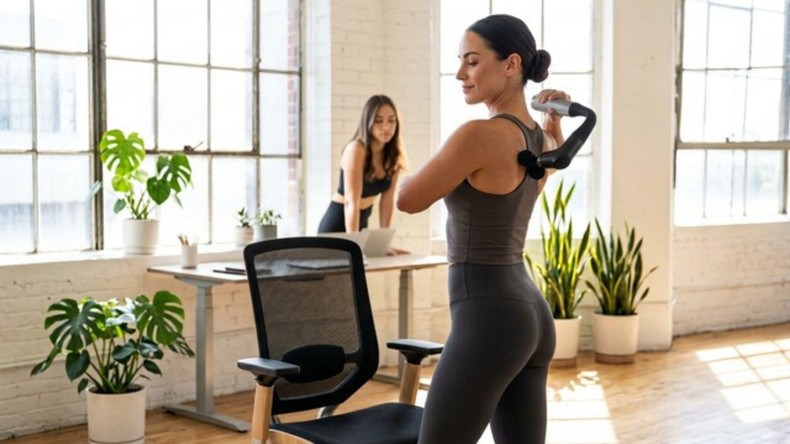
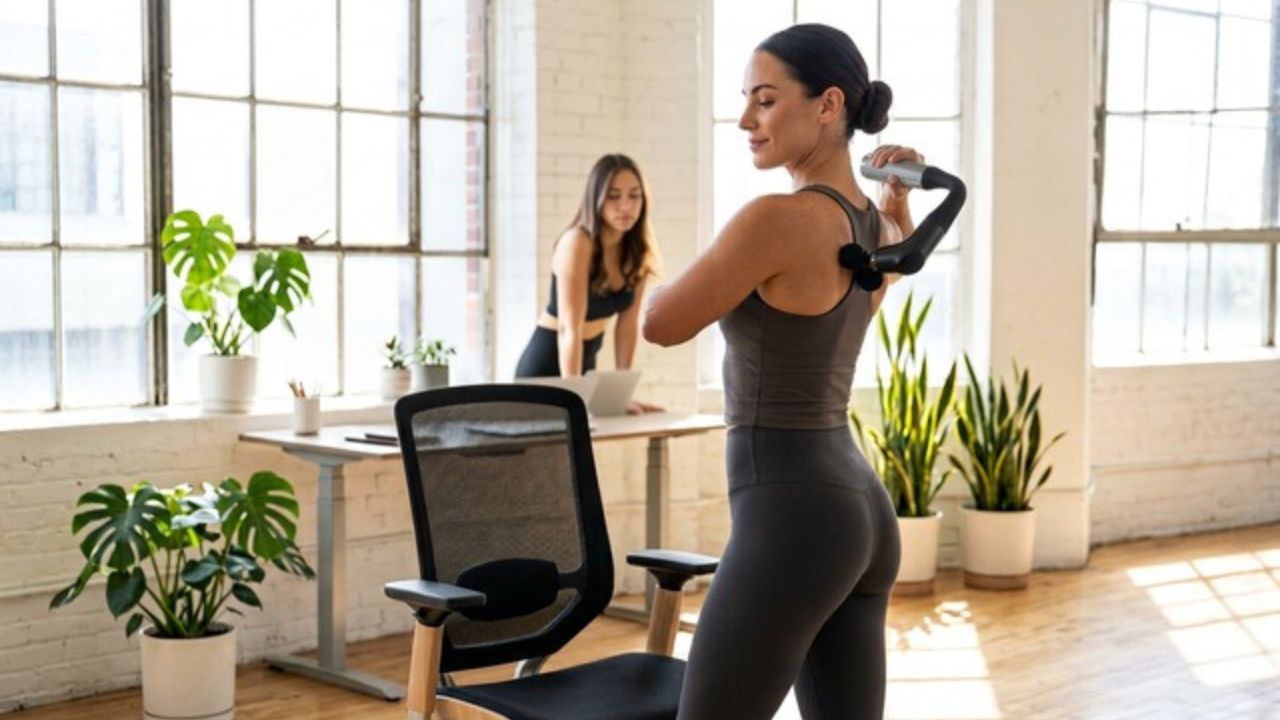
How to use a massage gun the right way is simple: keep it moving on sore muscles, use light pressure, and avoid bones or sensitive spots. That’s the basic rule most experts agree on.
Yet, many people still wonder, “Am I doing this correctly, or just guessing?” That doubt is real. Because when used right, a massage gun can ease tight muscles in minutes. Used incorrectly, it can leave you sore or even irritated.
Let’s walk through this calmly, step by step. No jargon. No fluff. Just what actually works.
Why Learning How to Use a Massage Gun Makes a Big Difference
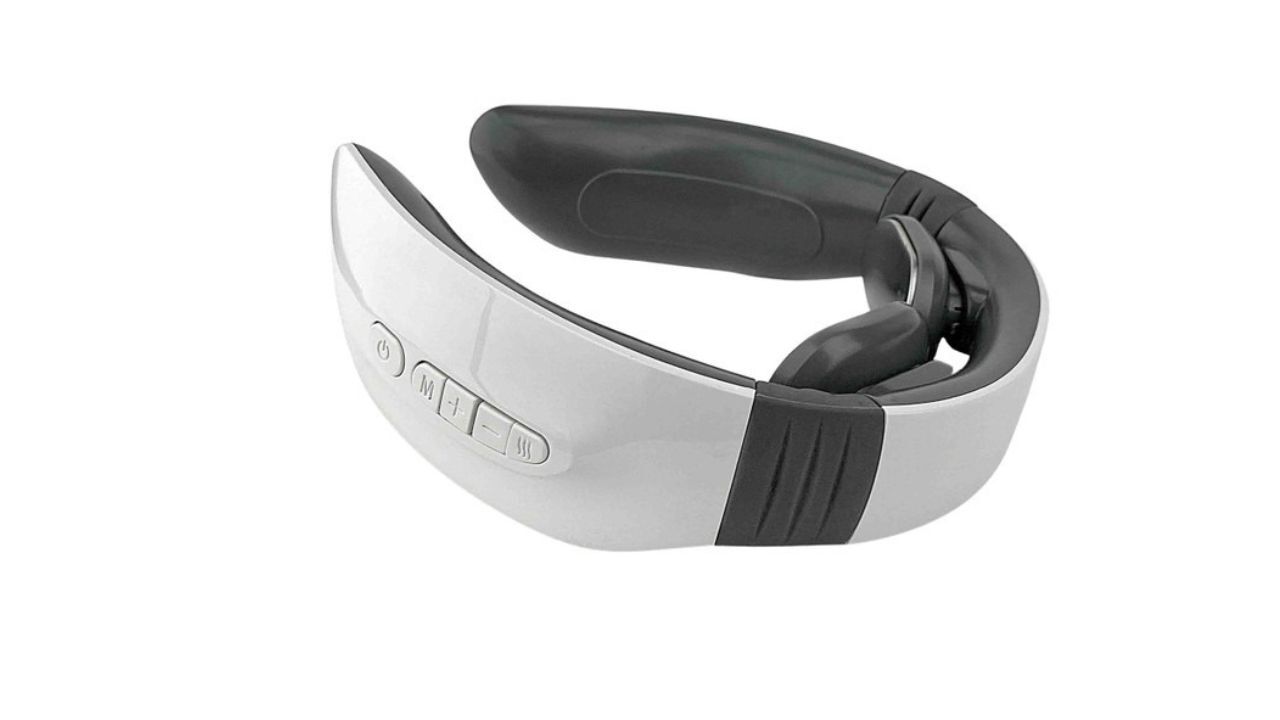
A massage gun feels like a quick fix. You switch it on, press it against your back, and expect relief.
But the body doesn’t respond well to guesswork. Muscles need rhythm, not force or speed. They respond to gentle pressure and steady movement.
Think about long hours at a desk, when shoulders get tight, and the lower back starts to ache. It feels like a small knot, but it spreads. That’s where a massage gun for back pain can help. It improves blood flow and relaxes tight spots.
But only if you use it the right way.
How to Use a Massage Gun (Simple Basics First)
Before jumping into tips, get the basics clear. This is where most people go wrong.
Start with this routine:
- Turn it on at the lowest speed
- Place it gently on the muscle
- Do not press hard
- Move slowly across the area
- Spend 30–60 seconds per muscle
- Stop if you feel sharp pain
That’s all you need to begin.
Still thinking, “Is this enough?” Yes. The basics matter more than fancy techniques.
5 Tips to Use a Massage Gun Safely
Now let’s refine your approach. These small changes can make a big difference.
1. Start Slow, Even When Pain Feels Strong
Pain makes people impatient. The instinct is to go hard and fast. But muscles don’t like shock. They respond better to a slow start.
Begin at the lowest setting. Let the muscle adjust. Then increase speed only if it feels comfortable.
This matters even more when using a massage gun on the back. That area has many sensitive points near the spine. Think of it like easing into a hot bath. Jumping in too fast never ends well.
2. Stay Away from Bones and Joints
This sounds obvious, yet it’s one of the most common mistakes.
Avoid using the gun on:
- Spine
- Neck front
- Knees
- Elbows
Focus only on soft muscle areas. If you are targeting back pain, work on the muscles beside the spine, not directly on it.
A quick check helps: If it feels hard or sharp underneath, move away.
3. Keep It Moving, Don’t Stay in One Spot
Holding the massage gun in one place feels satisfying at first. But it can overstimulate the muscle. Instead, move it slowly across the muscle and let it glide.
Why this works better:
- Improves circulation evenly
- Prevents soreness
- Feels more natural
Picture kneading a dough. You move your hands around it. You don’t press one spot forever.
4. Limit Your Time (More Isn’t Always Better)
There’s a common thought: “If one minute helps, five must be better.” That’s not how recovery works.
Stick to:
- 30–60 seconds per area
- No more than 10–15 minutes total
Overuse can lead to soreness instead of relief. Short sessions, done regularly, work better than long sessions once in a while.
5. Choose the Right Attachment
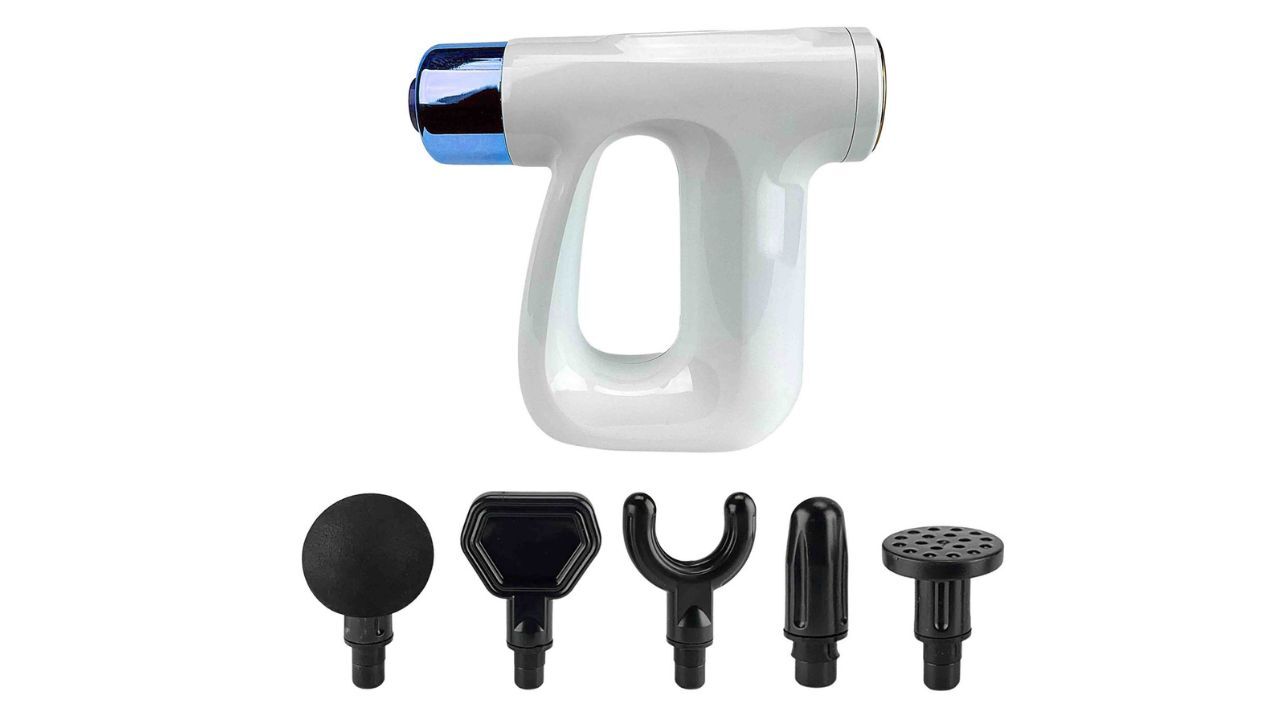
Many people ignore the attachments. But they change how the massage feels.
Here’s a simple way to think about them:
- Ball head → Best for large muscles like the back
- Flat head → General use
- Fork head → Around the spine (not on it)
- Bullet head → Deep knots
For back pain, the ball head is usually the safest starting point.
If you explore the massage guns collection at Top Massage Guns, you’ll notice that most good devices include multiple heads. That’s not just a bonus. It helps you treat different areas safely.
When You Should Not Use a Massage Gun
Not every situation calls for a massage gun relief.
Avoid using it if:
- The area is swollen or bruised
- You feel sharp pain
- You have a recent injury
- You are unsure about a condition
When in doubt, it’s better to skip and check with a professional.
Choosing the Right Massage Gun
At some point, the question comes up:
“Which one should I buy?”
Not all massage guns are the same. Some feel too harsh, some lack power, and others are too noisy.
Focus on these features:
- Adjustable speed levels
- Multiple attachments
- Quiet operation
- Good battery life
- Easy grip
At Top Massage Guns, you’ll find options that focus on real usability. That saves time and avoids confusion.
Is a Massage Gun Worth It for Back Pain?
Let’s answer this clearly, because this is where most people hesitate before buying a massage gun for back pain.
Back pain can come from many causes. Long sitting hours, poor posture, or tight muscles are the most common. A massage gun helps mainly with muscle-related pain, not deeper medical issues.
Now, let’s break down the real questions people ask.
Will a massage gun fix back pain completely?
No, it won’t cure every type of pain. But if your discomfort comes from tight or overworked muscles, it can bring quick relief. It helps improve blood flow, reduce stiffness, and relax sore areas.
Is using a massage gun better than consulting a massage therapist?
Not really better, just different. A therapist offers deep, guided treatment. A massage gun gives you daily, on-demand relief at home. That’s the real advantage. You don’t have to wait for an appointment.
Is it worth the money?
In many cases, yes. If you deal with back pain often, the cost balances out over time. Instead of repeated visits, you get a tool you can use anytime your body needs it.
Common Mistakes That Slow Down Results
Even with good intentions, people fall into habits that reduce results.
Watch for these:
- Pressing too hard
- Using it too long
- Skipping warm-up
- Ignoring discomfort
- Using the wrong attachment
Fixing these can improve your experience quickly.
A Simple Routine You Can Follow Today
If everything feels overwhelming, keep it simple.
Try this quick routine:
- Start at low speed
- Use the ball head on the back
- Move slowly for 30 seconds
- Avoid spine
- Stop if it feels wrong
That’s enough to get started.
What Actually Makes the Difference
A massage gun works best when it becomes part of a routine, not a last-minute fix.
Pair it with:
- Light stretching
- Better posture during the day
- Regular movement, even short walks
Because no tool works alone. It supports what you already do.
Now think about this for a moment. Relief is not just about one session; it builds slowly. A few minutes each day can loosen tight muscles, improve how your back feels, and even help you move with less effort.
That’s where a good device matters too. When you choose a reliable option from Top Massage Guns, you’re not just buying a product. You’re making it easier to stay consistent without second-guessing your choice.
So the question becomes simple. Do you want temporary relief once in a while, or steady comfort every day?
When used the right way, a massage gun doesn’t just reduce pain. It changes how your body feels after long hours, tough days, and restless nights. And once that shift starts, going back to constant discomfort doesn’t feel like an option anymore.