

How to massage a calf cramp starts with one simple move: gently stretch the muscle, then apply slow, firm strokes to improve blood flow and ease the tension.
It sounds easy on paper. But when a cramp hits at 2 a.m., or right in the middle of a walk, it feels anything but simple. The muscle tightens without warning, and the pain shoots up. You pause, unsure what to do next. And the real question becomes, “How do I stop this right now?”
This guide breaks it down clearly. Not just what to do, but why it works. Because once you understand what’s causing the cramp, finding relief becomes quicker, easier, and far more reliable.
How to Massage Calf Cramp: Step-by-Step
Start with the goal in mind. A cramp is a muscle stuck in contraction. Massage works by telling that muscle it’s safe to relax.
Here’s the right way to do it:
1. Stretch first, always
Before touching the muscle, extend your leg. Pull your toes gently toward your shin. This lengthens the calf and interrupts the cramp signal. Skip this step, and the massage won’t work as well.
2. Use slow, upward strokes
Place your hands on your ankles. Move upward toward the knee using steady pressure. This helps push blood back through the muscle.
3. Find the tight spot
There’s always a “knot.” Press it gently. Think of it like coaxing, not forcing. The pain should ease, not spike.
4. Knead like dough
Use your thumbs or palms to knead the muscle. Small circles work best. Keep breathing steady. The muscle will slowly soften.
5. Add warmth if needed
A warm cloth or shower helps relax the tissue further. Cold can help after the cramp, but warmth works better during massage.
Why Does Calf Cramping Happen in the First Place?
It’s easy to blame dehydration and move on. But cramps are more layered than that. Often, the body is sending a small warning before a bigger issue builds up.
Think of it like this. Muscles cramp when signals between nerves and fibers misfire. That misfire can come from many directions.
Common Causes You Might Not Expect
- Dehydration – Not enough fluids disrupts muscle function
- Poor circulation – Blood flow drops, muscles react
- Long sitting hours – Common for desk jobs and long travel
- Overuse from workouts – Especially sudden intensity spikes
- Wearing tight shoes – Restricts blood flow subtly over time
- Sleeping posture – Feet pointed downward triggers night cramps
- Stress and fatigue – Yes, even mental strain shows up physically
Here’s a question worth asking: Is the cramp random, or is it repeating at the same time each day?
That answer often reveals the cause faster than any test.
Calf Cramp Relief That Works Instantly
When pain hits, time matters. You don’t want a long routine. You want relief real quick.
These quick fixes work in real situations:
- Stand up and put weight on the leg
- Flex your foot upward
- Massage immediately after stretching
- Drink water with a pinch of salt
- Walk slowly for a few minutes
And here’s something many people overlook. Consistency matters more than intensity. A light massage done quickly beats a deep massage done late.
Where Massage Guns Fit In (And Why They’re So Effective)
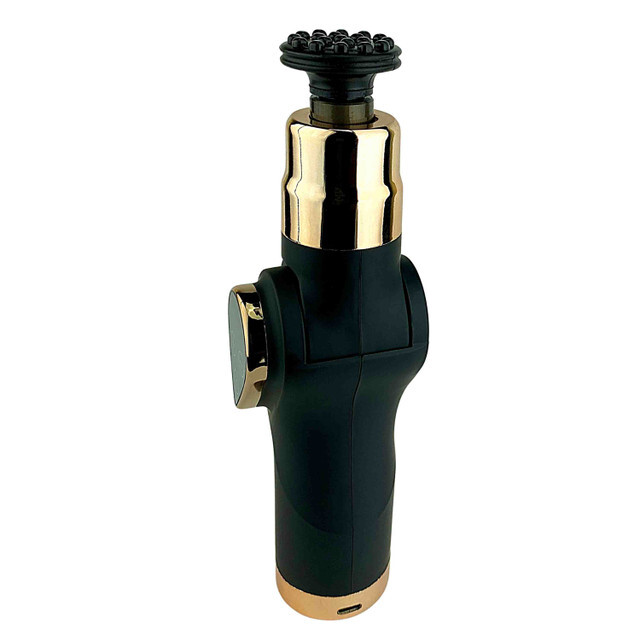
Manual massage works, but it takes effort, time, and sometimes another person. That’s where modern tools come in. A good massage gun delivers rapid pulses deep into the muscle. It mimics the same kneading motion, but faster and more precise.
This is where platforms like Top Massage Guns make a noticeable difference. Instead of guessing which tool works, users can explore options that are already built for muscle recovery and daily pain relief.
Why people are switching to massage guns:
- Faster relief – Pulses reach deeper than hands can
- Consistency – Same pressure every time
- Convenience – Use anytime, even alone
- Better circulation – Improves recovery after cramps
Imagine a cramp hitting after a long day. Instead of struggling with awkward angles, a massage gun targets the exact spot in seconds.
And yes, it raises a fair question: Is it worth buying one just for occasional cramps?
The answer depends on how often discomfort shows up. For people dealing with regular tightness, workouts, or long sitting hours, it quickly becomes a daily tool, not a luxury.
How to Use a Massage Gun for Calf Cramp Relief?
Using a massage gun isn’t complicated, but technique matters.
Follow these steps:
- Start on a low setting
- Place the gun lightly on the calf
- Move slowly, don’t hold one spot too long
- Focus on tight areas for 10–15 seconds
- Stop if pain increases
The goal is relief, not pressure. Think of it as guiding the muscle back to normal.
For those exploring options, browsing through our wide collection of massage guns gives a clear sense of what’s available without overwhelming choices.
Why Massage Works (And Why It Helps Fast)
Massage isn’t just about comfort. It changes what’s happening inside the muscle.
Here’s what actually happens during a good massage:
- Blood flow increases
- Oxygen reaches the muscle faster
- Waste products like lactic acid clear out
- Nerve signals calm down
This is why relief often feels almost instant. The muscle isn’t just relaxing, it’s resetting.
Common Situations When Calf Cramps Strike
It’s rarely random. There are patterns.
Picture this. Someone sits through a long workday, barely moves, then suddenly stands up. The calf tightens. Or a late-night cramp interrupts sleep, sharp enough to wake anyone instantly.
Common scenarios include:
- After a long travel or flight
- During sleep
- After intense exercise
- Standing too long without movement
These moments matter because prevention starts here.
How to Prevent Calf Cramps Before They Start?
Relief is great, but prevention is better.
Simple habits that reduce cramps:
- Drink water throughout the day
- Stretch calves before bed
- Take short walking breaks during long sitting hours
- Eat foods rich in magnesium and potassium
- Use light massage regularly, even without pain
Here’s the subtle shift most people miss. Don’t wait for pain to act. Regular muscle care reduces the chance of cramps showing up at all.
Choosing the Right Relief Method: Hands or Tools?
This is where real decisions happen.
Is manual massage enough?
For occasional cramps, yes.
What about frequent pain or tightness?
That’s where tools like massage guns make more sense.
Is it worth investing in one?
If muscle discomfort shows up weekly, or even a few times a month, the convenience alone often justifies it.
Platforms like Top Massage Guns help simplify that decision. Instead of random picks, users can explore tools designed specifically for muscle recovery, making the process less guesswork and more confidence.
Small Signals Your Body Is Giving You
Cramps don’t appear out of nowhere. There are signs:
- Mild tightness before sleep
- Fatigue in calves after short walks
- Slight twitching
- Morning stiffness
These are early warnings. Ignore them, and cramps follow. Address them, and the body stays balanced.
Key Takeaways
- Stretch first, then massage for best results
- Most cramps come from lifestyle patterns, not just dehydration
- Quick action reduces pain faster than delayed treatment
- Massage guns offer consistent, deep relief without effort
- Prevention habits matter more than emergency fixes
The next time a calf cramp hits, the real question isn’t just how to stop it. It’s whether the body has been asking for attention long before the pain showed up.
Frequently Asked Questions
What is the fastest way to stop a calf cramp?
Stretch your leg right away, and pull your toes toward your shin slowly. This helps the muscle relax. Then massage the area with gentle pressure until the pain fades.
How long should you massage a calf cramp?
Massage for about 2 to 5 minutes. Use slow and steady strokes. You will feel the muscle soften over time. Stop when the pain clearly reduces.
Do massage guns help with calf cramp relief?
Yes, they can help a lot. They send quick pulses into the muscle. This improves blood flow and eases tightness faster. Many people find them easier than using their hands.
Why do calf cramps happen at night?
Your muscles get tired during the day. Blood flow slows when you sleep. Your feet may point downward. All of this can trigger a cramp at night.
Can dehydration cause calf cramps?
Yes, it is a common reason. Your muscles need water to work well. Low fluids affect muscle signals. This can lead to sudden cramps.