
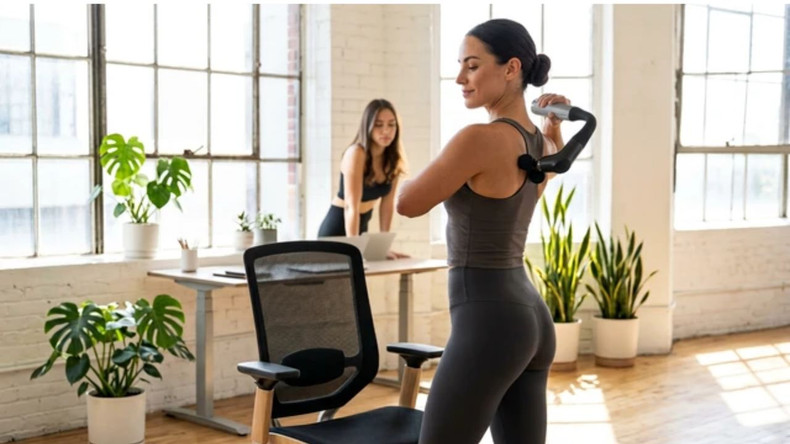
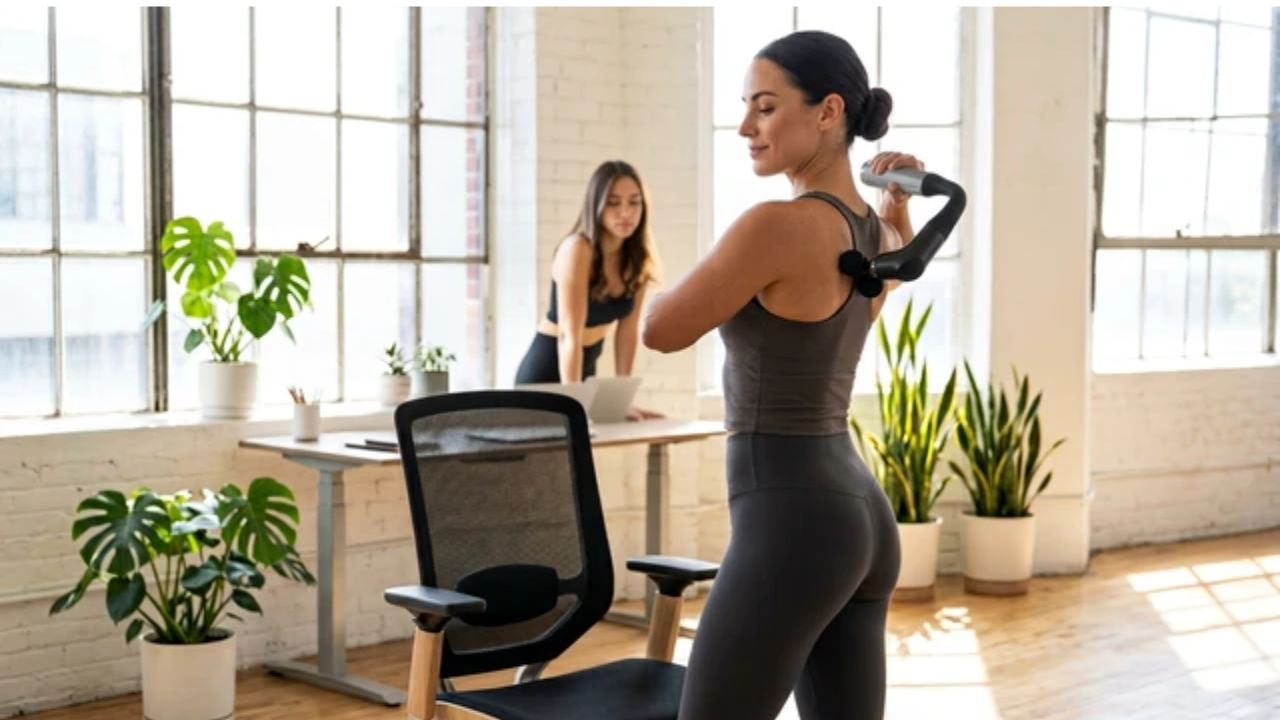
Can you use a massage gun on your neck? A massage gun can be used on the neck, but only with careful technique, low intensity, and the right product choice. Done wrong, it can cause more tension instead of relief. Done right, it can ease stiffness, improve blood flow, and reduce daily stress built up in the neck and shoulders.
Neck pain has quietly become a modern problem. Long screen hours, bad posture, and stress all pile up in that small area. Many people in India, especially office workers and students, now look for quick relief tools instead of frequent therapy visits. That is where massage guns enter the picture.
But here is the real question people hesitate on: Is it actually safe, or is it risky for the neck?
The answer is not just yes or no. It depends on how, where, and what device is used.
Buying the right device also matters. Our wide range of massage guns at Top Massage Guns are built with controlled percussion levels and attachments that are more suitable for sensitive areas like the neck and upper traps.
Let’s break it down in a clear, practical way.
Can You Use a Massage Gun on the Neck? What Actually Matters
Yes, a massage gun can be used on the neck region, but not directly on the front or spine. The safe usage area is mostly the back of the neck muscles and upper shoulders.
Most people assume more power means better relief. That is where mistakes happen. The neck is not like thighs or calves. It has delicate nerves, blood vessels, and bone structures close to the surface.
Think of it like watering a small plant. Too much force damages it. Gentle and controlled pressure works better.
A massage gun becomes helpful only when:
- It is used on muscle areas, not bones
- Speed is kept low
- Sessions are short
- Pressure is controlled
7 Expert Safety Tips for using a massage gun on your neck
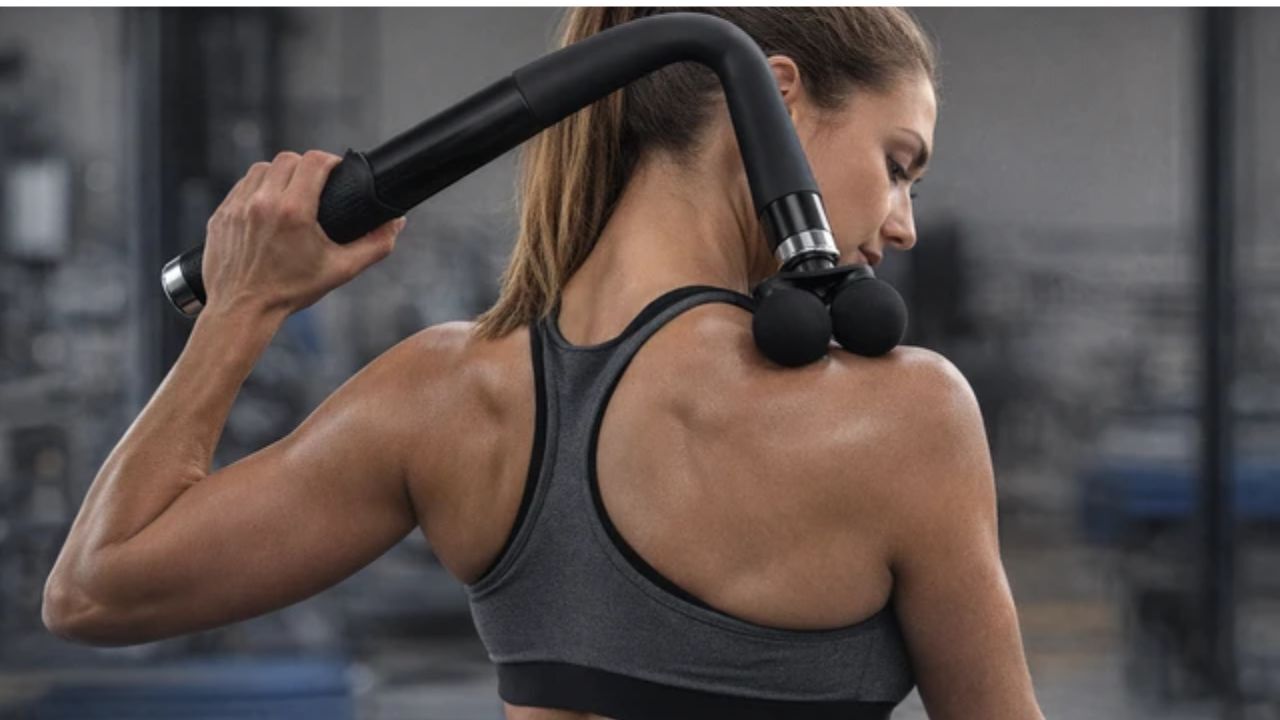
These are practical rules that reduce risk and improve results. They are based on common physiotherapy guidelines and general muscle therapy principles.
1. Never Use It on the Front of the Neck
The front of the neck has sensitive structures like the carotid artery and the throat area. Direct percussion here is unsafe.
Focus only on:
- Upper trapezius (shoulder slope)
- Back of neck muscles
- Upper shoulder junction
This simple rule prevents most problems.
2. Start with the Lowest Speed Setting
High speed feels intense, but it is not better for the neck. A low setting helps muscles relax gradually. It also reduces nerve irritation, which is common when pressure is too strong.
Most people rush this step, then wonder why their neck feels sore later.
3. Keep Sessions Short and Controlled
Long usage does not equal better relief.
Ideal duration:
- 30 to 60 seconds per area
- Total neck session under 5 minutes
Short bursts work better than long continuous pressure.
4. Avoid Bones and Spine Completely
This is a key safety rule that cannot be ignored.
Do not place the device:
- On the cervical spine
- On vertebrae
- Directly on the shoulder joints
The target must always be the muscles only.
5. Use Soft Attachment Heads
Hard metal or pointed heads are not ideal for the neck.
Better options:
- Soft round head
- Cushion head
- Air-cushion style attachment
This is where choosing the right device matters. Our range of massage gun models listed on the website usually includes multiple heads designed for different muscle zones, which helps beginners avoid mistakes.
6. Do Not Use It When Pain is Sharp or Radiating
There is a difference between tightness and injury pain.
Avoid massage guns if:
- Pain shoots into the arms
- Numbness is present
- Dizziness occurs
In such cases, medical guidance is safer than self-treatment.
7. Maintain Light Pressure, Not Force
Let the device glide. Do not press hard into the muscle.
A simple rule:
If it hurts, it is too much.
Gentle contact improves blood flow and helps muscle recovery. Force only increases tension.
Where Not to Use a Massage Gun on the Neck (Important Safety Zones)
Many users unknowingly place massage guns in unsafe areas. This is where most injuries or discomfort start.
Avoid using it on:
- Front throat area
- Side of neck arteries
- Direct spine line
- Jawline and ear base
- Swollen or inflamed areas
These zones are not built for percussion therapy.
Instead, focus on muscle clusters that feel tight after long work hours. That is where relief actually comes from.
Why Choosing the Right Massage Gun Matters
Not all massage guns are the same. Some are designed for deep athletes. Others are better for everyday muscle tension.
For neck use, the ideal features include:
- Adjustable low-speed control
- Lightweight grip
- Quiet motor
- Multiple soft attachments
- Controlled amplitude (not too aggressive)
This is where curated platforms like Top Massage Guns help simplify the decision. Instead of random models, users can explore options that match pain relief needs rather than just raw power.
A common real-life situation: someone buys a heavy-duty device meant for gym recovery. Then they try it on the neck and feel discomfort instead of relief. That mismatch is what leads to bad experiences.
Is a Massage Gun Worth Buying for Neck Pain Relief?
This is where hesitation usually comes in.
People often ask:
- Will it really replace therapy sessions?
- Is it safe for daily use?
- Is it just a trend product?
The honest answer is simple. It is not a replacement for medical treatment, but it is a strong support tool for daily tension.
It works best for:
- Office posture stiffness
- Travel fatigue
- Screen-related neck strain
- Mild muscle tightness
It is less effective for:
- Chronic nerve issues
- Structural spine problems
A good way to think about it is this: it is a maintenance tool, not a cure-all.
Simple Real-World Way to Use it Safely at Home
Most people prefer evening use after work or study sessions. That is when neck muscles feel tight and tired.
A safe routine looks like this:
- Sit in a relaxed position
- Start with the shoulder area
- Move slowly to the upper traps
- Finish with the back-of-neck muscles
- Keep pressure light throughout
No rush. No force. Just steady movement.
Final Thought
Neck pain is not just physical anymore. It is tied to daily habits, stress, and long screen hours. A massage gun can help, but only when used with awareness, patience, and the right device.
The real difference is not in the tool itself, but in how carefully it is used and chosen.
So the question shifts slightly from “Can you use a massage gun on your neck?” to something more practical:
Are you using it in a way that actually supports your body, or just chasing quick relief?