
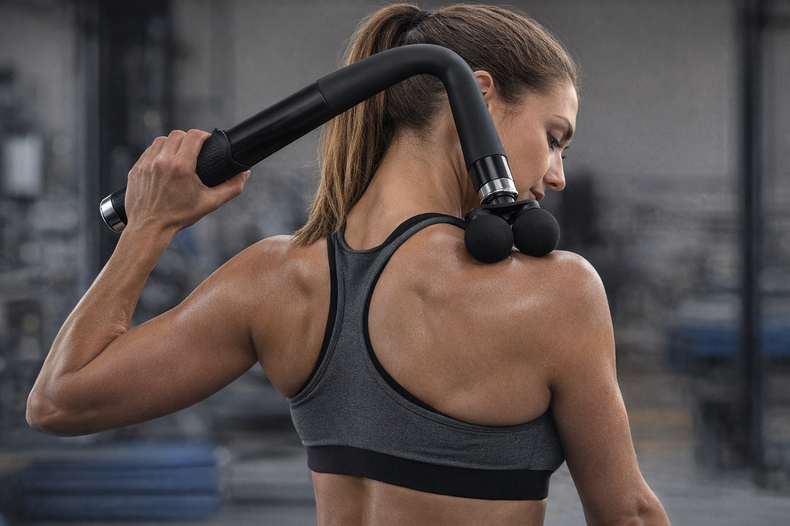
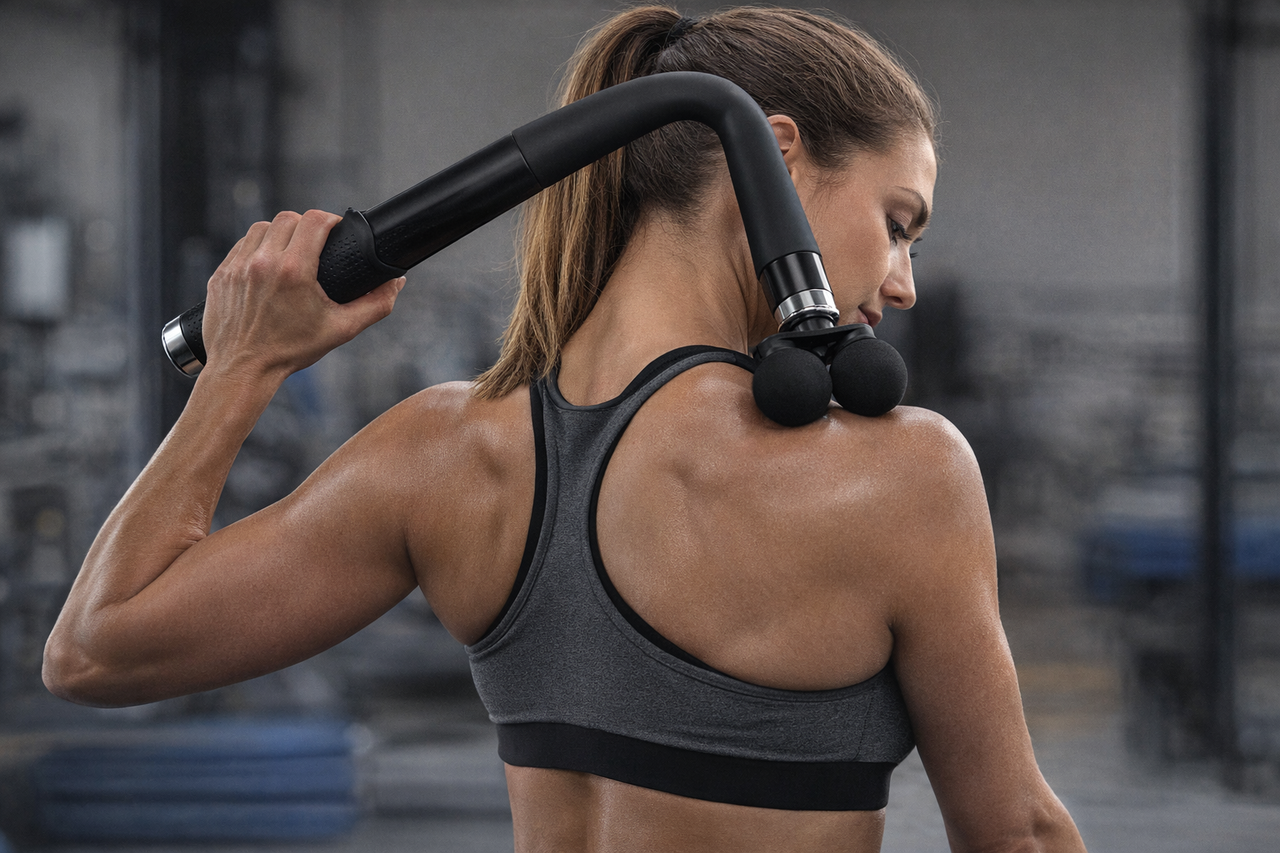
Ever finished a massage expecting relief, only to feel more sore than before? That surprise is more common than most people think, especially after deep tissue work. What feels like “back pain from massage” is usually just the body reacting to pressure that worked deeper than usual.
In most cases, this is not a sign of damage. It is simply how muscles respond when pressure is applied to tight or stressed areas. Once this is understood, recovery becomes much easier and less stressful.
The real question is not “why did this happen?” but rather “how to relieve back pain after a massage smartly?”
Why Back Pain from Massage Happens in the First Place
Back pain after a massage usually comes from how muscle tissue reacts to pressure. When a therapist works on tight muscles, the fibres within the muscle are stretched and compressed. This creates small internal stress, similar to what happens after a workout.
If your muscles are already tight, tired, or under stress, the reaction becomes stronger. This is why some people feel fine after a massage, while others experience soreness.
Common reasons include:
- Deep pressure applied to already tight muscles
- Sudden release of trigger points
- Low hydration before or after a massage
- Long hours of sitting or poor posture before the session
- Muscles already fatigued from daily stress
From a general physiotherapy viewpoint, mild soreness is often part of normal muscle adaptation. But sharp pain or pain that continues to worsen is not something to ignore.
A simple way to understand it is this: muscles that have been inactive for a long time react strongly when they are suddenly worked on.
Back Pain From Massage vs Normal Soreness
Not all discomfort is the same, and this is where many people get worried unnecessarily.
Mild soreness after a massage usually feels like:
- A dull ache in the back
- Slight stiffness when bending or moving
- A feeling similar to post-exercise fatigue
- Improvement within 24–48 hours
This type of response is commonly seen in back pain from massage cases and usually resolves on its own.
However, attention is needed if:
- Pain gets worse after two days
- There is tingling or numbness
- Movement feels restricted
- The pain is sharp instead of dull
In most normal cases, the body simply needs time to adjust. The key is not to panic but to support recovery gently.
What Experts Generally Agree On (Simple Physio Insight)
Most physiotherapy-based recovery principles agree on a few simple ideas:
- Muscles respond better to gradual stimulation, not force
- Mild soreness after pressure work is usually normal
- Overdoing pressure can temporarily increase inflammation
- Light movement helps recovery more than complete rest
- Controlled stimulation tools can support healing when used correctly
This is where recovery tools like massage guns have become popular. They are not magic devices, but they do offer controlled stimulation that helps muscles relax without manual pressure.
The important part is how and when they are used.
How Massage Guns Help with Muscle Tightness and Back Pain from Massage
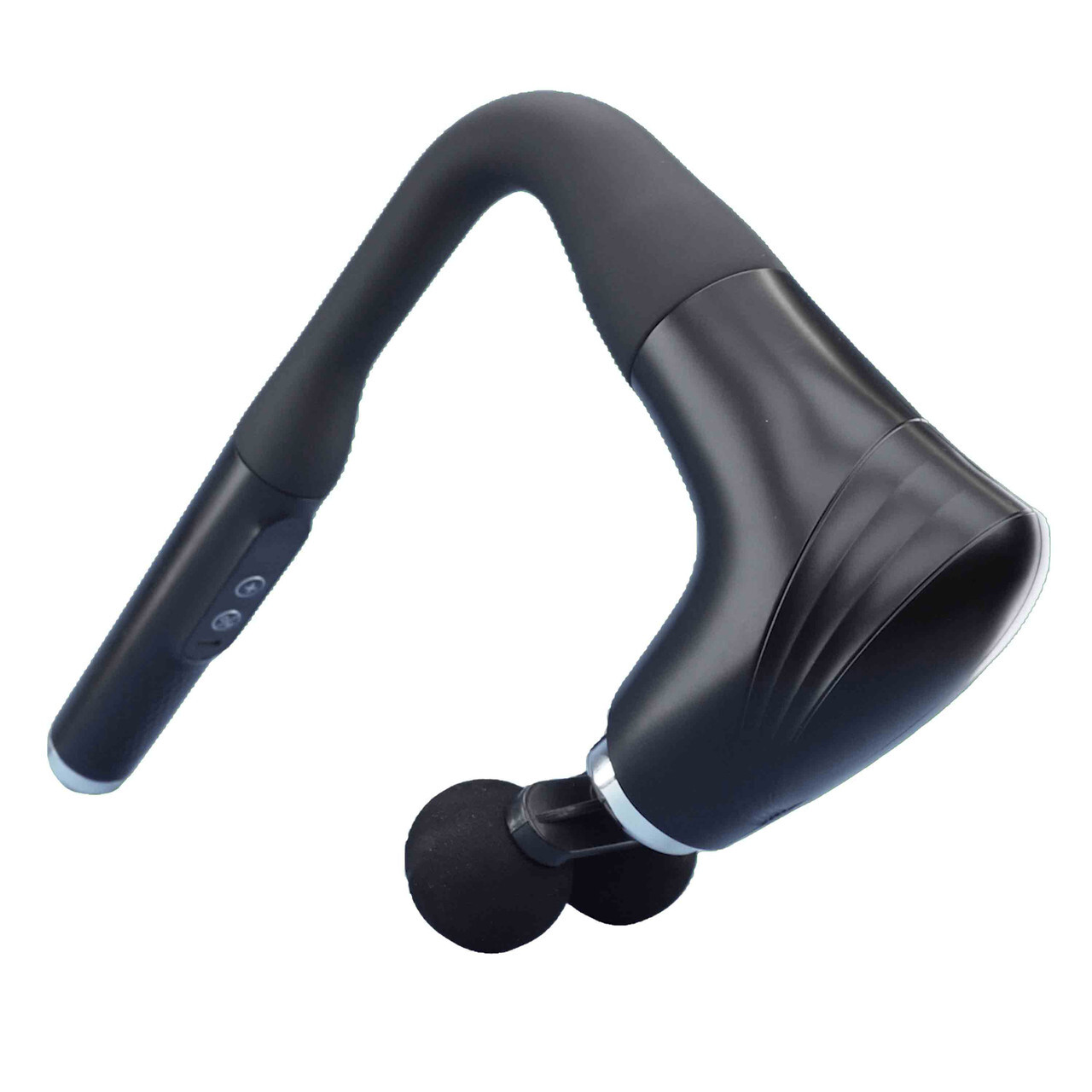
Massage guns work by sending quick pulses into muscle tissue. Instead of pressing deeply like hands, they create rhythmic vibration. This helps muscles relax and improves blood flow.
For people dealing with back pain from massage, this can feel helpful because the muscles are already in a recovery phase and only need light stimulation.
Some commonly observed benefits include:
- Better blood circulation in tight muscles
- Reduction in next-day soreness
- Easier release of small trigger points
- Improved mobility in stiff areas
- Faster overall muscle relaxation
Many physiotherapy-style recovery routines include similar concepts under percussive or vibration therapy.
But one important detail matters a lot: intensity control. Using a massage gun too aggressively can have the opposite effect.
How to Relieve Back Pain After a Massage (Simple Recovery Approach)
When thinking about how to relieve back pain after a massage, the goal should be calm recovery, not aggressive treatment.
A simple and practical approach looks like this:
- Drink enough water to support muscle recovery
- Use light heat to relax stiffness
- Move gently instead of staying completely still
- Use a massage gun only on low settings
- Avoid lifting heavy objects for a day or two
Many people make the mistake of either doing too much or doing nothing at all. The body actually responds best to a balanced middle approach.
A massage gun can be helpful here, but only when used carefully and for short durations.
Choosing the Right Massage Gun for Back Recovery
Not every device is suitable for post-massage soreness. Choosing the right one depends on how sensitive the muscles feel. Instead of focusing on brand names or price, it helps to think in terms of comfort and control.
Key things to look for include:
- Adjustable speed levels for gentle control
- Medium amplitude for safe deep relief
- Quiet operation for relaxed use
- Comfortable grip to reach the back easily
- Multiple attachments for different muscle areas
A structured comparison of recovery devices can be explored through Top Massage Guns and our dedicated collection. This makes it easier to compare massage guns based on recovery needs, comfort, and muscle sensitivity instead of relying only on marketing claims.
Can Massage Guns Make Back Pain Worse? (Important Reality Check)
This is one of the most searched concerns around back pain from massage.
Massage guns are generally safe when used correctly. However, misuse can increase discomfort.
Problems usually happen when:
- High intensity is used too early
- Pressure is applied directly to the spine
- The device is used for too long in one area
- Pain signals are ignored
A simple rule helps here: if the pain feels sharp or unusual, stop and rest instead of pushing through it.
Recovery tools are meant to support healing, not force it.
What Actually Helps Long-Term Muscle Recovery
Short-term relief is easy. Long-term recovery depends on habits.
A stable recovery routine usually includes:
- Staying active with light daily movement
- Drinking enough fluids
- Maintaining good sleep quality
- Avoiding repeated muscle strain
- Using recovery tools in moderation
Over time, muscles become less reactive and recover faster after massage sessions.
Do You Really Need a Massage Gun? (Real Decision Moment)
This is where many people hesitate.
A massage gun makes sense if:
- Muscle tightness happens often
- You sit for long hours daily
- Recovery feels slow after activity
- You want home-based relief options
But it may not be necessary if:
- Soreness is rare
- Rest alone solves the issue
- There is no recurring muscle stiffness
The most important idea is simple: tools should match the problem, not replace natural body recovery.
Final Thought
Recovery from muscle soreness is rarely instant. The body needs time, movement, and the right support to fully settle after deep pressure work. That is why small recovery habits often make a bigger difference than people expect, especially when tight muscles have been stressed for a long time.
What matters most is not the massage itself, but how the body is supported afterwards. Gentle movement, hydration, and smart use of tools like massage guns can make recovery smoother and faster.
Explore a wide collection of massage guns at Top Massage Guns and choose a model that best fits your needs.