
Back pain has a strange way of creeping in. It starts with a little tightness after work, then slowly turns into stiffness that follows you through the day. Sometimes, even sitting or lying down stops feeling comfortable.
The good news is that the right techniques of back massage can make a real difference. Simple movements, steady pressure, and focusing on the right spots can help loosen tight muscles and ease pain. When the tension feels too deep, massage guns can help speed up muscle relief and recovery.
What are the Main Techniques of Back Massage?
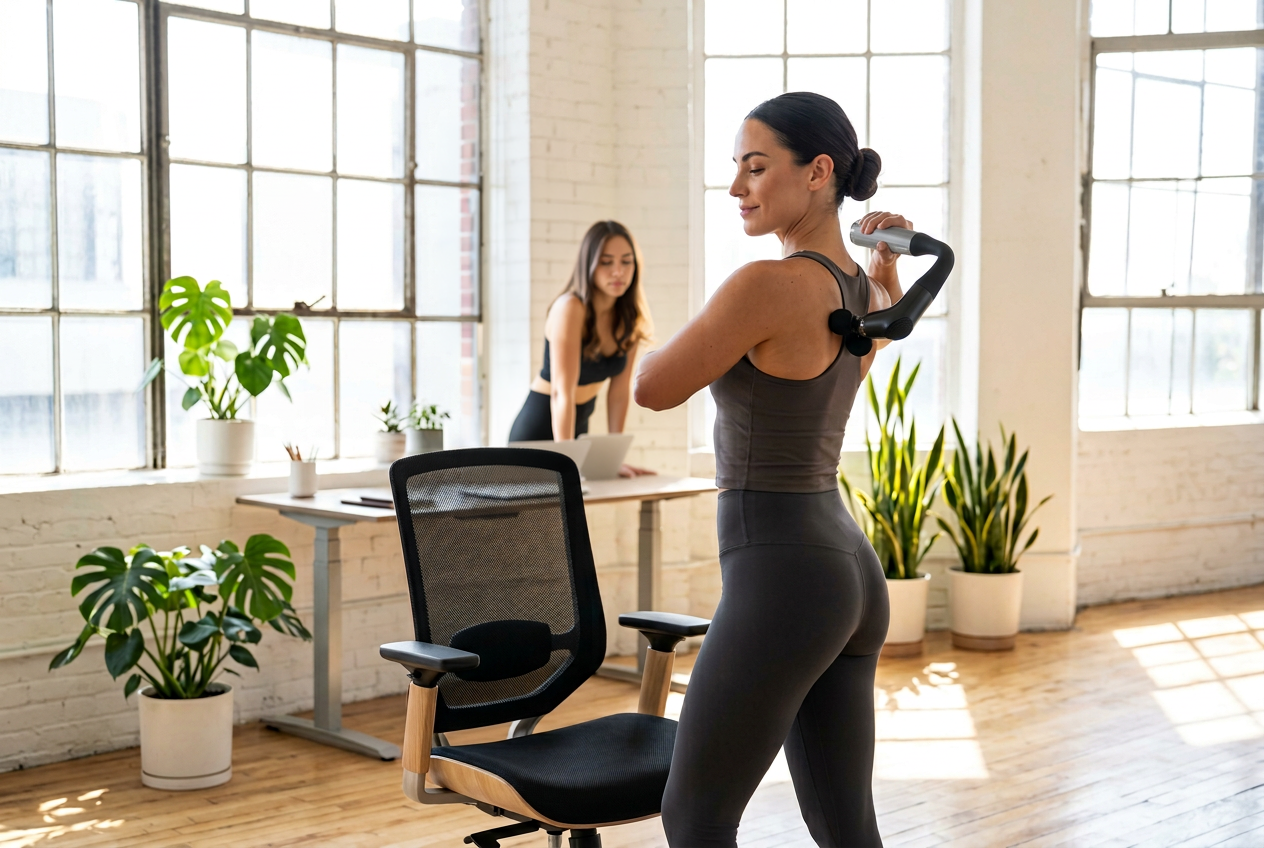
Most back massages use a few basic techniques. They may sound simple, but they work surprisingly well when done properly.
These include:
- Effleurage – long, smooth strokes across the back
- Petrissage – kneading and gently lifting the muscles
- Friction – firm circular pressure on tight areas
- Tapotement – light tapping or chopping movements
- Trigger point therapy – focused pressure on muscle knots
Each technique works differently. Some help the body relax, while others target deep tension and stubborn knots. Used together, they help the back feel lighter, looser, and more comfortable.
Why Back Massage Works Better Than You Think
Back pain is not always about injury. It is often about tight muscles and poor blood flow. When muscles stay tight, they pull on surrounding tissues. That creates discomfort.
Massage helps by:
- Improving blood flow
- Relaxing tight fibers
- Reducing stress signals in the body
But here is a common doubt:
“Why does the pain come back after a massage?”
It is because one session is not always enough. The right technique, used regularly, gives better and longer-lasting relief.
5 Proven Techniques of Back Massage That Help Relieve Muscle Pain
Each massage technique works differently. Some relax the surface muscles, while others target deep knots and pressure points that cause lasting discomfort.
1. Effleurage: The Foundation of All Back Massage Techniques
Effleurage is the starting point. It uses long, smooth strokes across the back. It may feel simple, but it prepares the muscles.
Start from the lower back, and gradually move upward toward the shoulders. Use light pressure at first, then slowly increase it.
This technique:
- Warms up muscles
- Improves circulation
- Reduces surface tension
Skipping this step is like starting an exercise without warming up. Muscles resist deeper work if they are not prepared.
Thinking point:
If the pain feels wide and dull, this technique can calm it quickly.
2. Petrissage: Deep Muscle Relief That Loosens Tightness
Petrissage works deeper. It involves kneading, lifting, and squeezing the muscles. This is where real tension starts to release.
Use your palms or fingers, gently lift the muscle, press it, and release.
This helps:
- Break down knots
- Improve flexibility
- Reduce stiffness
People who sit for long hours often feel tightness in the upper and mid-back. This technique works well for them. It may feel slightly intense at first, but it should never feel sharp or painful.
3. Friction: Targeting Back Massage Techniques and Pressure Points
Friction focuses on specific tight spots. It uses small circular movements with firm pressure. This is where back massage techniques and pressure points matter most.
Common areas to focus:
- Between the shoulder blades
- Near the neck and upper shoulders
- Lower back above the hips
Apply steady pressure using fingertips. Move in small circles, and stay on one point for a few seconds.
This technique:
- Breaks down stubborn knots
- Improves mobility
- Targets deep tension
Thinking point:
If there is one spot that hurts more than others, friction is usually the answer.
4. Tapotement: Light Movements That Wake Up the Muscles
Tapotement uses rhythmic tapping or light chopping movements. It is often used at the end of a massage. Use cupped hands or fingers. Keep the movement gentle and consistent.
This helps:
- Increase blood flow
- Reduce fatigue
- Energize muscles
It is useful after long workdays when the body feels heavy and dull.
5. Trigger Point Therapy: Releasing the Root of Pain
Trigger points are tight knots that send pain to other areas. Pressing them may feel uncomfortable, but the relief that follows is worth it.
Find the tight spot. Apply steady pressure using your thumb or a tool. Hold for 10 to 15 seconds, and release slowly.
This helps:
- Reduce referred pain
- Release deep knots
- Restore normal muscle movement
Many people describe this as “good pain.” It feels intense but effective.
When Manual Back Massage Techniques Are Not Enough
Manual massage works well. But it takes time, effort, and sometimes another person.
This raises a real question:
“What if the pain keeps coming back?”
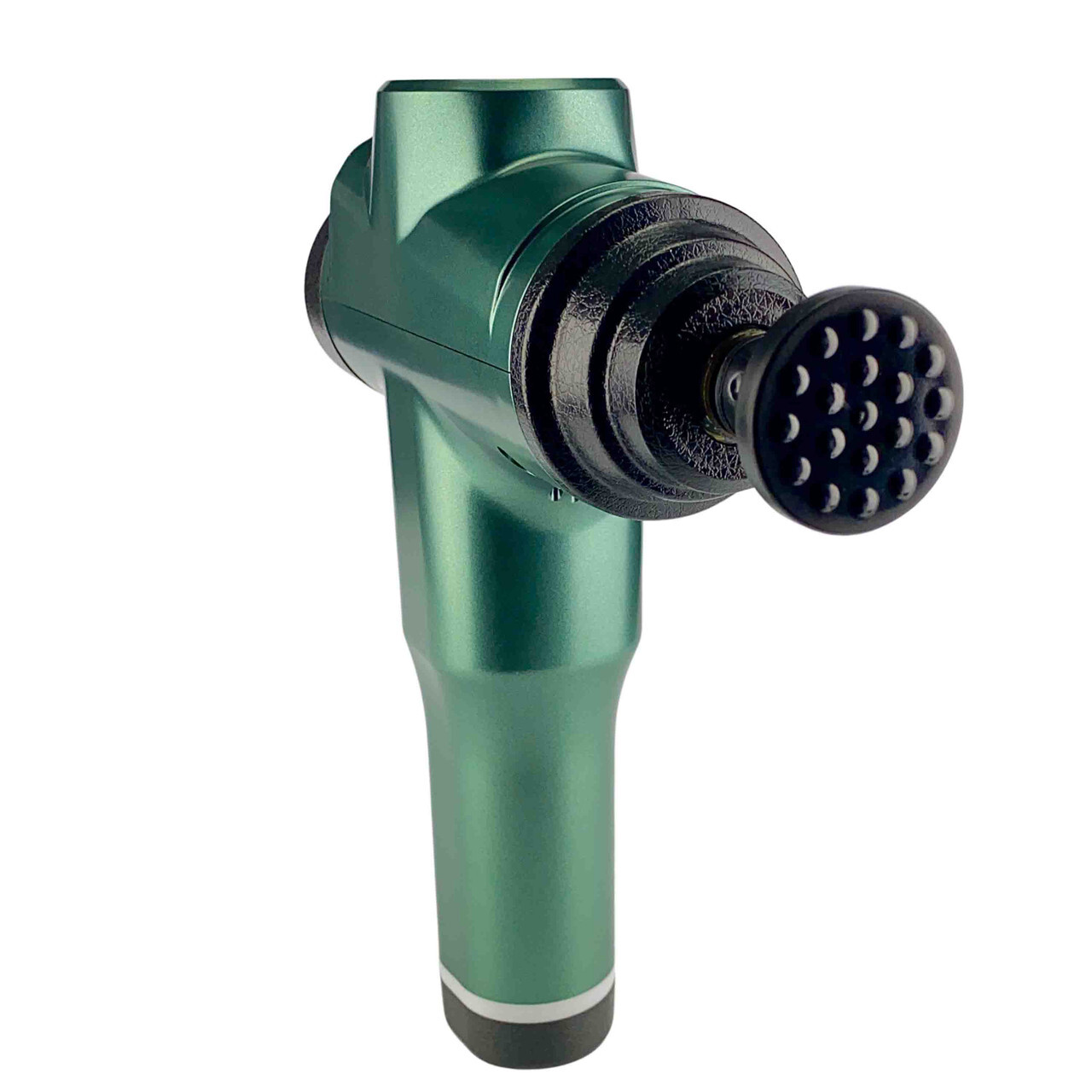
This is where tools like massage guns can help.
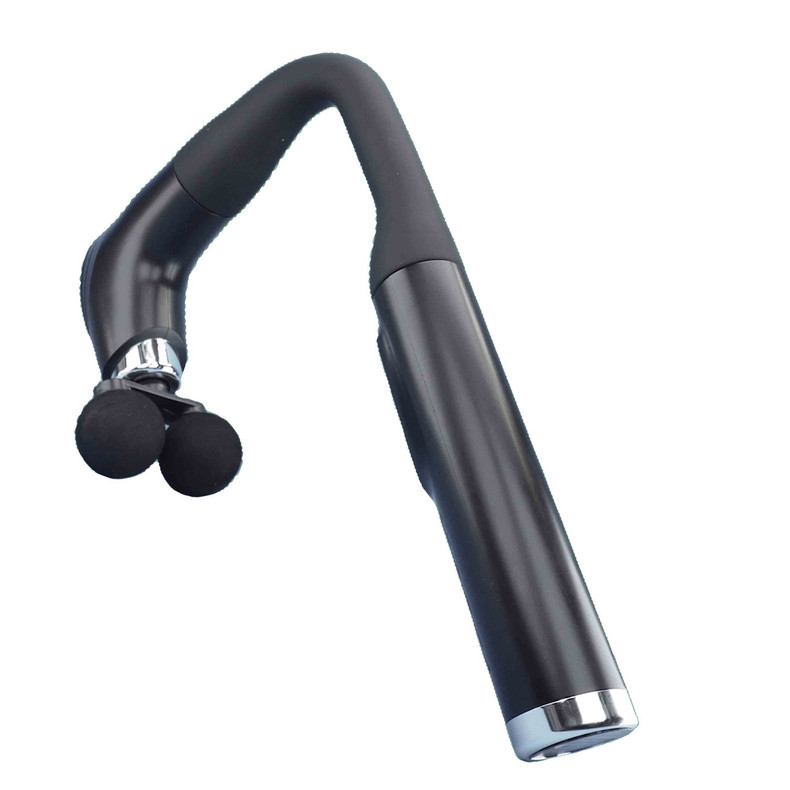
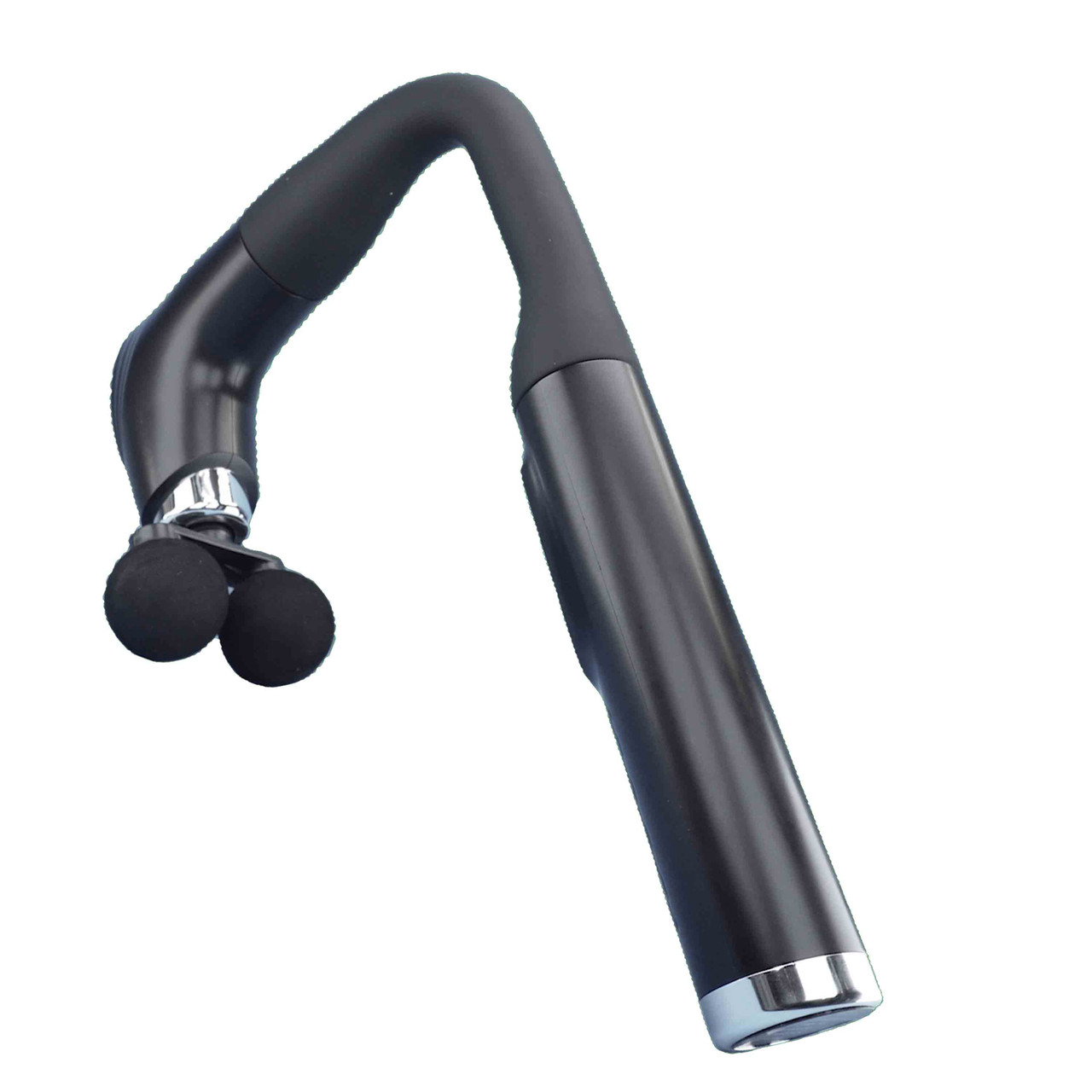
A massage gun delivers fast, repeated pulses into the muscle. It mimics techniques like petrissage and friction but with more consistency.
For people dealing with:
- Daily back pain
- Gym soreness
- Long sitting hours
This can be a practical upgrade.
You can explore a wide collection of massage guns from Top Massage Guns.
How Massage Guns Support Back Massage Techniques
Massage guns are not a replacement. They support the process.
They help by:
- Providing consistent pressure
- Reaching deep muscle layers
- Reducing fatigue from manual effort
Different attachments target different areas. Some are soft for large muscles, and others are firm for deep pressure points.
How to Combine Techniques for Better Results
Using one technique alone may not give full relief. A simple routine works better.
Follow this order:
- Start with effleurage for warm-up
- Move to petrissage for deeper relief
- Use friction on tight spots
- Apply trigger point pressure briefly
- Finish with light tapotement
If using a massage gun:
- Start on low speed
- Avoid bones and the spine
- Focus only on muscle areas
This keeps the process safe and effective.
Common Mistakes That Reduce Results
Even good techniques can fail if done incorrectly.
Avoid these mistakes:
- Using too much pressure too soon
- Ignoring warm-up strokes
- Staying too long on one painful spot
- Massaging inflamed or injured areas
Pain relief should feel gradual, not forced.
When You Should Avoid Back Massage
Massage is helpful, but not always.
Avoid it if:
- There is a recent injury
- The area is swollen or inflamed
- There is sharp or sudden pain
In such cases, rest or medical advice is better.
A Simple Way to Decide What You Need
After a long day, the back often feels tight. The shoulders feel heavy. Stretching may not help.
Pause and ask:
“Do I need relaxation or deep relief?”
- For relaxation → use effleurage and light tapping
- For deep relief → use petrissage, friction, and trigger points
- For consistent results → consider a massage gun
This simple thinking helps you choose the right approach instead of guessing.
Key Takeaways
- The right techniques of back massage make a big difference
- Pressure and consistency matter more than force
- Targeting pressure points improves results
- Massage guns can support deeper and faster relief
- A simple routine works better than random techniques
Back pain rarely needs complicated solutions. It needs the right method, done the right way, at the right time.
So the next time your back feels tight, ask yourself one thing:
Are you just trying to feel better for a moment, or are you actually fixing the cause?
FAQs
Which back massage technique is best for pain relief?
Petrissage and trigger point therapy are often the most effective. They work deeper and target the source of pain rather than just relaxing the surface.
Can a back massage make pain worse?
Yes, if too much pressure is used or if the area is inflamed. Massage should feel relieving, not sharply painful.
How long should a back massage last?
A good session can last 10 to 20 minutes. Even short sessions work if done regularly and with the right technique.
Are massage guns better than manual massage?
They are not better, but they are more consistent. They help when manual massage is not practical or when deeper pressure is needed.
Where are the key pressure points in the back?
Common points include the upper shoulders, between the shoulder blades, and the lower back just above the hips.