
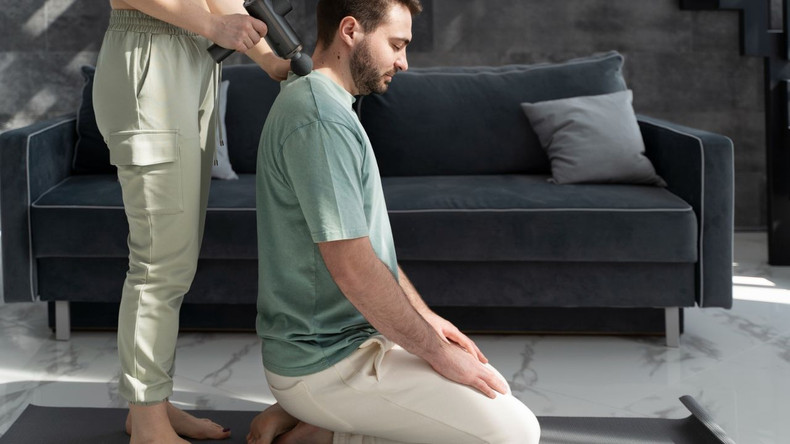
If you are wondering how much pressure to use with a massage gun, the answer is rather simple. Use light to moderate pressure and let the device do the work. If you feel sharp pain, numbness, or the urge to pull away, you are pressing too hard.
That single rule answers the main doubt most people have. But real life is never that simple. Back pain feels different from tight calves. A sore neck reacts faster than a dense quad. And the massage gun in your hand matters more than people think. This guide explains the reason behind it first, then takes you through how to do it safely, and finally helps you understand the buying choices that influence your results more than you might expect.
Why does Pressure Matter More Than Speed or Power?
Massage guns look aggressive with fast heads and loud motors. That visual tricks many people into pressing harder than needed.
Muscle tissue responds best to vibration and percussive movement, not force. When pressure goes too high, the muscle guards itself. Blood flow drops. Relief fades. The same thing happens when someone digs an elbow too deeply during a massage. The body fights back.
This is what good pressure feels like. Strong enough to notice. Mildly uncomfortable. Still safe enough to breathe normally.
That balance is where recovery lives.
How Much Pressure to Use With a Massage Gun for Beginners?
Most people buying their first massage gun want back pain relief. Office chairs, long drives, stiff mornings. The instinct is to attack the sore spot.
Resist that urge.
For beginners, pressure should stay light. Think of resting the gun on the muscle and adding just enough push to keep contact. The head should bounce freely. If it stalls, pressure is already too high.
A simple way to check is - you should be able to talk while using it. If you stop breathing or clench your jaw, ease up.
This is where models like the Compact Full Body Massage Gun from Top Massage Guns shine. Lighter weight makes it easier to control pressure, especially when reaching the lower back or shoulders.
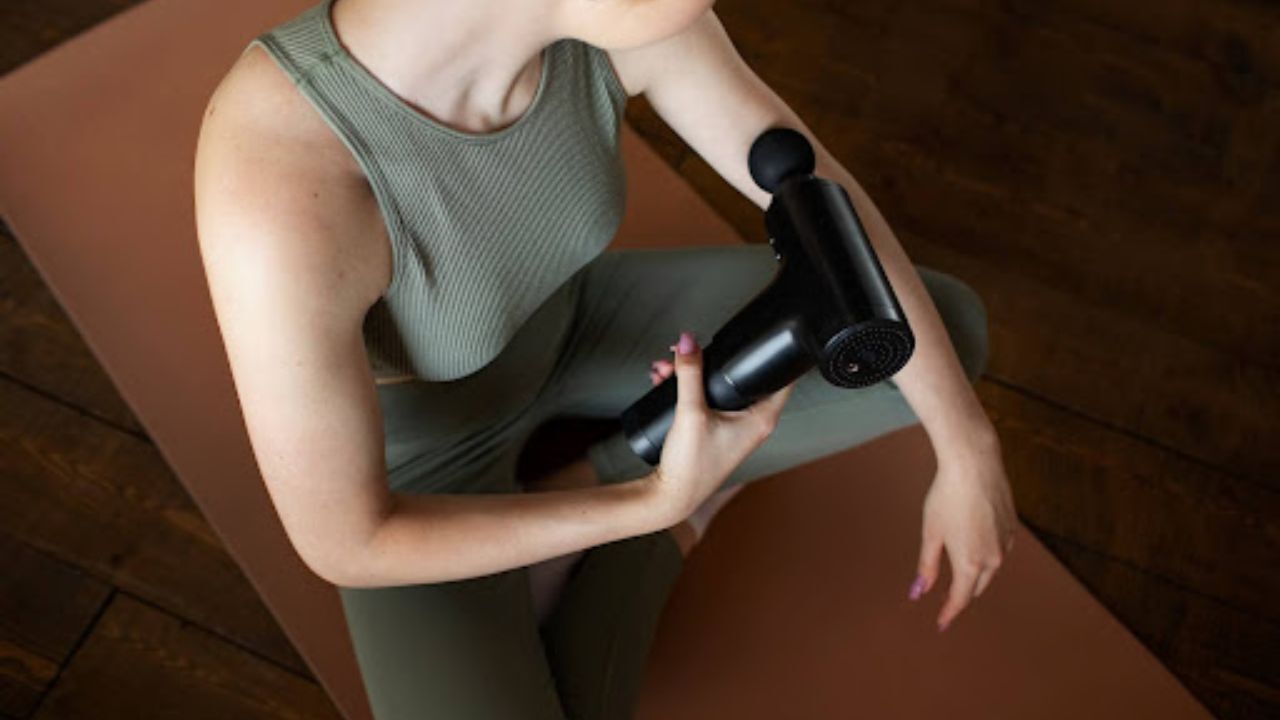
How Much Pressure to Use With a Massage Gun for Back Pain?
Back pain needs patience. The back holds posture muscles that are sensitive and slow to relax. Start with light pressure along the muscles beside the spine, never on the spine itself. Glide slowly. Pause on tight spots. Let vibration soften the tissue before adding pressure.
Moderate pressure comes later. Usually, after 30 to 60 seconds in one area.
A helpful mental scale works well here.
- 1 to 3 feels gentle and warming
- 4 to 6 feels deep but tolerable
- 7 and above feels sharp or defensive
For back pain, stay between 3 and 5. That range improves circulation without irritating nerves. This advice stays consistent across physiotherapy and sports recovery circles.
If heat helps loosen your back, the Full Body Heated Massage Gun offers warmth plus percussion. Heat reduces resistance, which often means less pressure is needed overall.
Step-by-Step Safety Guide for Correct Pressure
Using a massage gun safely is less about strength and more about awareness.
Start every session the same way.
- Begin on the lowest speed
- Apply light pressure for 30 seconds
- Increase speed first, not pressure
- Add pressure only if the muscle stays relaxed
This order matters. Speed wakes the tissue. Pressure follows.
Watch for warning signs.
- Tingling or numbness
- Sharp pain
- Skin irritation or bruising
- Muscle twitching that feels protective
Stop if any appear. Massage should calm the nervous system, not alarm it.
Folding designs like the Folding Full Body Massage Gun help maintain proper angles, especially for mid-back areas where awkward wrist positions cause accidental over-pressure.
Pressure Feels Different Depending on the Body Part
Not all muscles are built the same. Pressure must change with location. Large muscles tolerate more vibration with moderate pressure. Small muscles react quickly.
General guidance helps.
- Quads and glutes handle moderate pressure
- Hamstrings prefer steady, slow passes
- Upper back needs light to moderate pressure
- Neck muscles require very light pressure only
Neck tools like the Feather Light Portable Neck Massager exist for a reason. The neck houses nerves, vessels, and delicate tissue. Heavy massage guns do more harm than good here.
Is Deeper Pressure Better for Pain?
This is where many people get confused. Pain does not mean tightness, and some comes from fatigue, poor circulation, or stress. Deep pressure only helps when the muscle is ready to accept it.
Ask simple questions before increasing pressure.
- Does the area feel warm yet?
- Did movement improve already?
- Does the pain feel dull or sharp?
Dull pain often responds to moderate pressure. Sharp pain does not.
For chronic back pain, especially desk-related stiffness, consistency beats intensity. Five minutes daily with light pressure outperforms one aggressive session a week.
The Right Massage Gun Makes Pressure Easier to Control
Pressure is easier to manage when the tool fits the job. Heavy guns tire the arm. Fatigue leads to leaning harder. Lightweight designs encourage better technique.
Different builds serve different needs.
- Compact models suit travel and beginners
- Heated models help stiff joints and older muscles
- High torque suits athletes with dense tissue
- Folding frames improve reach and posture
Browsing our range of devices at Top Massage Guns shows how varied designs solve pressure problems quietly. The right tool reduces guesswork.
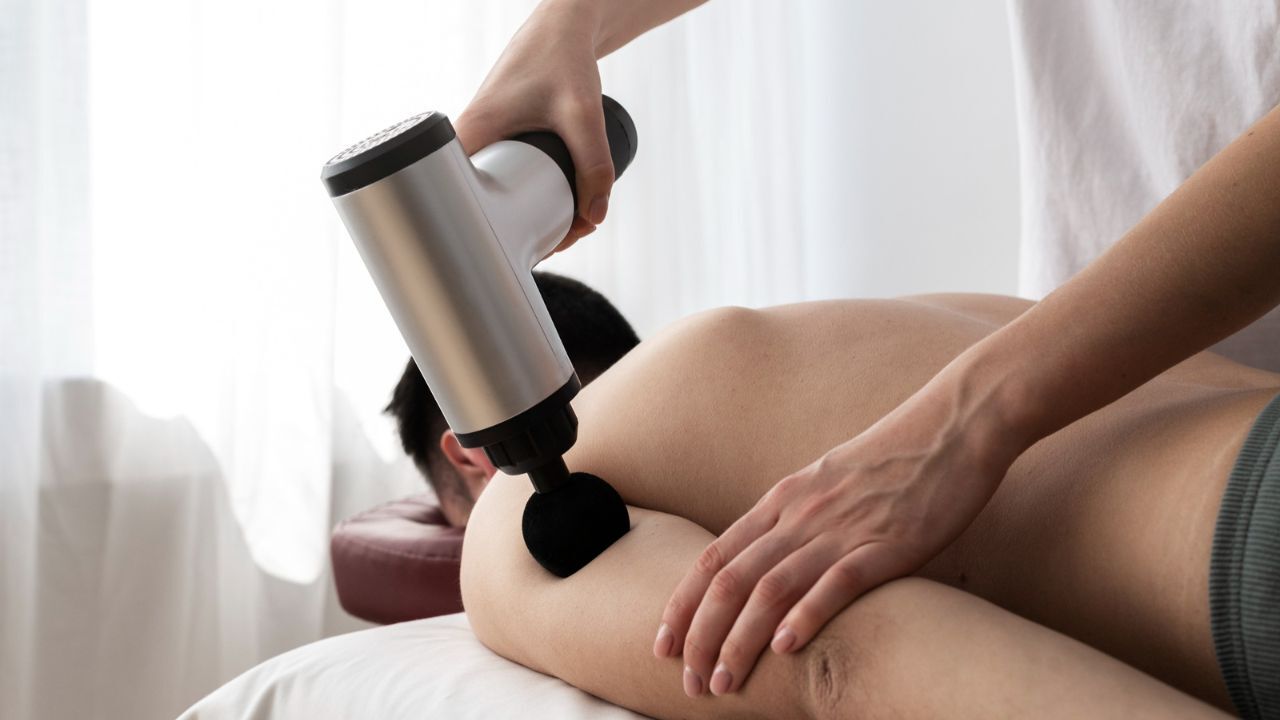
How to Use a Massage Gun Regularly Without Strain?
Pressure and frequency work together. Daily light sessions help recovery. Heavy pressure needs more rest.
A safe rhythm looks like this.
- Light pressure daily
- Moderate pressure every other day
- Deep work once or twice a week
Back pain responds best to routine. Short, calm sessions fit better into life than intense fixes.
Key Takeaways to Keep in Mind
Massage guns work best when they are treated as recovery tools, not forceful fixes. The goal is to allow the muscle to relax, not to overpower it. Pressure should always feel supportive, never aggressive.
- Start lighter than feels necessary and give the muscle time to respond.
- Increase speed before adding more pressure.
- Stay within a zone that feels strong but safe,
- Choose massage guns that make pressure easy to control.
The most effective sessions often feel calm and unremarkable while they’re happening. No grimacing. No bracing. Just steady movement and controlled contact.
What matters most shows up later, not in the moment. Less stiffness when you stand up. Easier movement the next morning. That’s the real measure of whether you used the right pressure.