
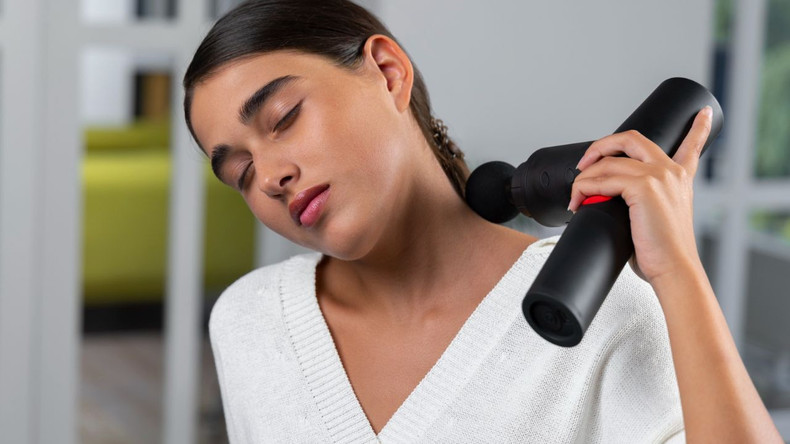
A massage gun can be one of the best tools for easing tight muscles after a long day, a tough workout, or a weekend full of walking. But before you reach for it, there’s one essential question you need answered upfront: where not to use a massage gun.
The truth is simple and serious. Some areas of the body are not meant for high-speed vibration. Using a massage gun on the front of the neck, along the spine, near broken bones, open wounds, or major blood vessels can turn a moment of relief into a trip to the doctor.
Most people shopping for massage guns are not looking for danger. They imagine peaceful evenings, looser muscles, and better sleep. They picture relief, not bruises, numb fingers, or that uneasy feeling when a gadget meant to help ends up hurting instead.
In this guide, we start with the clear answer, then explain why certain areas should be avoided, where a massage gun is safe to use, and how to make choices you will feel good about later. By the end, you will understand what safe use really means, what to stay away from, and how to recognize a good device when browsing sites like Top Massage Guns.
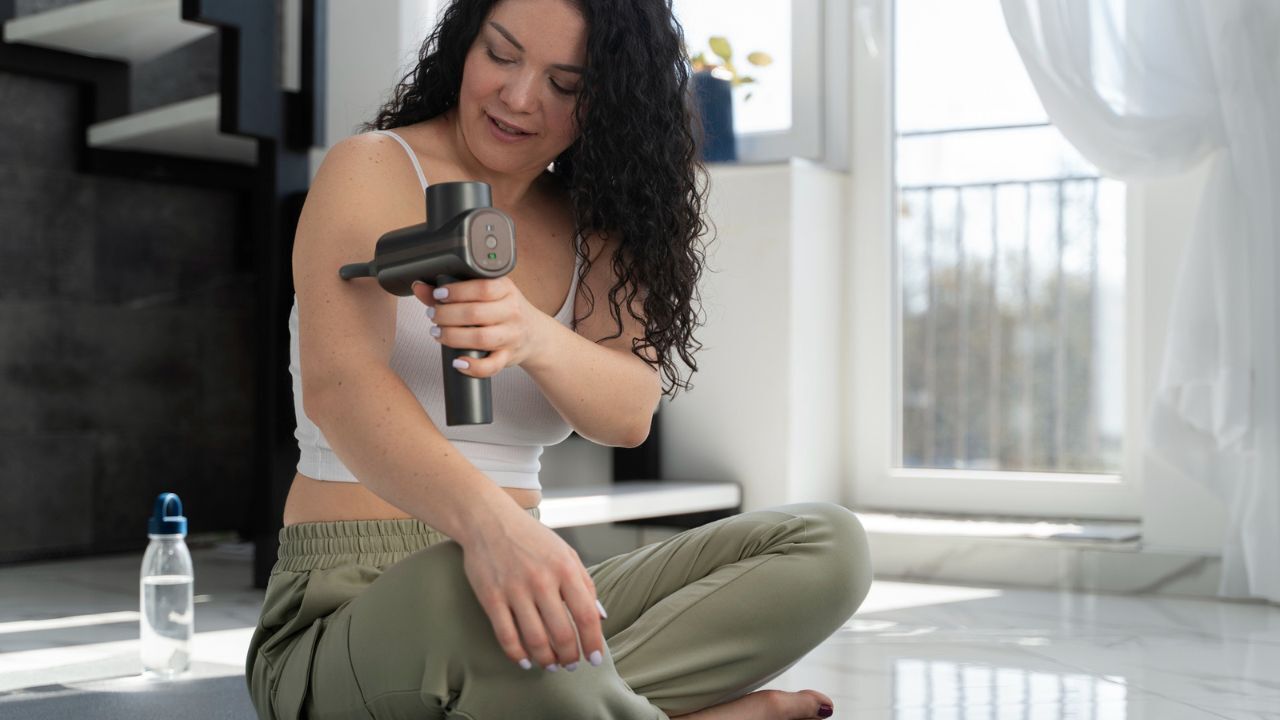
Why Location Matters More Than Power
A massage gun is not a toy. It punches muscle up to 3,000 times per minute. That force helps blood flow and loosens tight tissue. But bones, nerves, and soft organs do not enjoy that kind of attention.
Many injuries come from good intentions. A stiff neck after a long flight. A sore calf after a city walking tour. A tight back after carrying luggage. The instinct is simple. Just point the gun, and press play.
But the body has safe zones and no-go zones. Learning the map is what separates relief from regret.
Where Not to Use a Massage Gun?
These areas come up again and again in physiotherapy warnings and sports medicine guides. They are risky even at low speed.
1. Front and Sides of the Neck
This is the most searched danger area, and for good reason.
The front and sides of the neck hold:
- Carotid arteries
- Jugular veins
- The vagus nerve
- The windpipe
Strong vibration here can affect blood flow to the brain. It can cause dizziness, fainting, or heart rhythm issues. This is also the core of the question many buyers type: where not to use a massage gun on the neck. The answer is simple.
Never use it on the front or sides. Ever. The back of the neck is a different story, and we will cover that soon.
2. Spine and Vertebrae
Bones do not heal from vibration. They absorb it.
Using a massage gun directly on the spine can irritate nerves that control arms, legs, and even digestion. Some people describe a “buzzing shock” feeling that lasts for hours. Muscles next to the spine are fine. The spine itself is not.
If the gun head touches bone, it is already too close.
3. Open Wounds, Rashes, or Fresh Scars
This one seems obvious, yet it still happens.
Vibration can affect in the following ways:
- Reopen healing skin
- Push bacteria deeper
- Slow tissue repair
Even small cuts can turn ugly when shaken repeatedly. If skin is broken, inflamed, or still pink from surgery, skip it.
4. Areas with Varicose Veins or Blood Clots
Massage guns move blood fast. That is usually good. But in areas with weak veins or clots, it can be dangerous. A clot that moves can travel to the lungs or heart.
This is one of those risks that does not hurt at first. It just becomes serious later.
5. Fractures, Joint Replacements, and Severe Osteoporosis
Metal plates, healing bones, and brittle bone tissue do not mix well with percussion therapy. Even light vibration can delay healing or cause micro-damage.
When in doubt, wait for a doctor’s advice.
Where Not to Use a Massage Gun on Neck & Where You Can
The neck is one of the most sensitive areas to treat with a massage gun. A few centimetres in the wrong direction can change relief into dizziness or pain.
Some unsafe areas include:
- Front of the throat
- Sides below the jaw
- Directly on the cervical spine
Safe when used gently on:
- Upper trapezius muscles
- Muscles between the shoulder and the neck
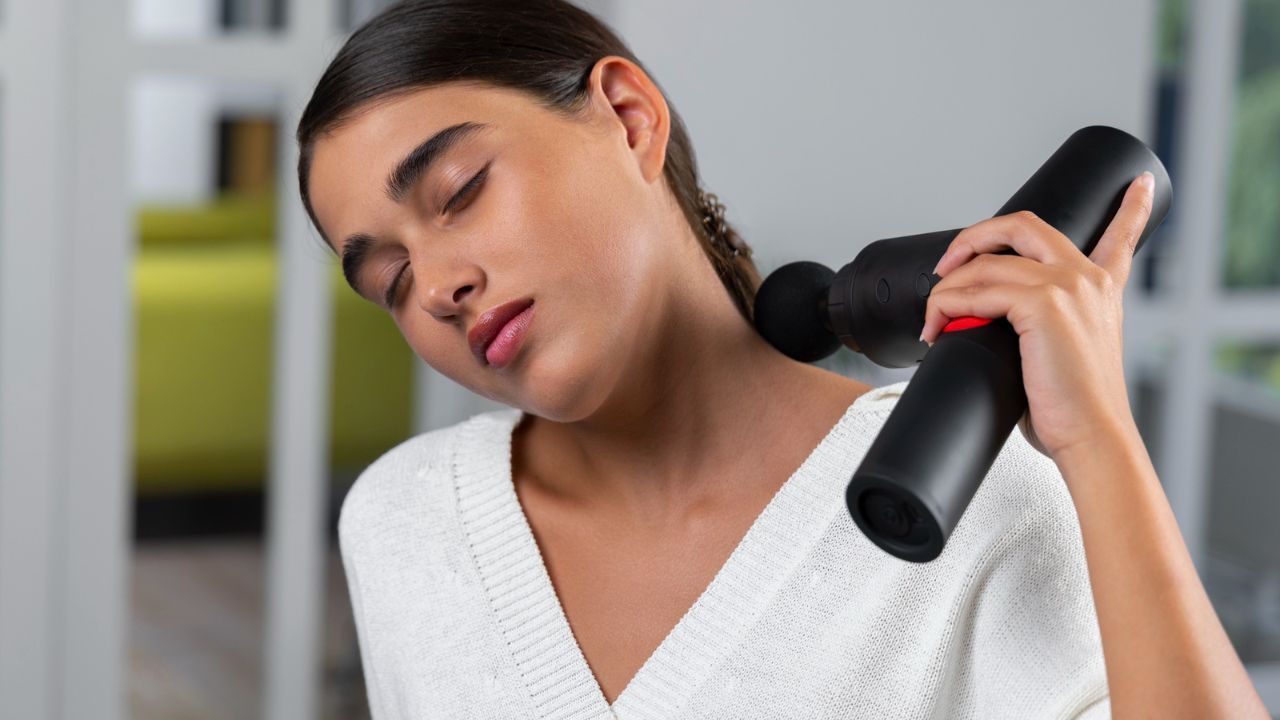
- Back of the neck, beside the spine, not on it
The speed of the massage gun should be low, and the pressure should be light. If vision blurs or the head feels heavy, stop immediately.
7 Safe Zones to Use a Massage Gun
After covering the risky spots, it’s time to focus on the safe zones. When used correctly, they respond quickly, loosening tight muscles and leaving you feeling refreshed and ready for the day.
1. Calves
Perfect after long walks, city tours, or standing all day. Calves act like pumps for blood returning to the heart. When tight, feet swell, and legs feel heavy.
Short sessions here often feel like magic.
2. Quadriceps (Front Thighs)
The quadriceps are a favorite spot for runners, hikers, and anyone who climbs stairs like it’s a daily sport.
3. Hamstrings
These tighten quietly and cause back pain later. A relaxed hamstring often means a happier lower back the next morning.
4. Glutes
Strong glutes protect the hips and spine. Massage guns here help posture and reduce sitting pain.
5. Upper Back (Muscles Only)
This is the “office worker zone”. After a long day at work, a massage on the upper back muscles is everything you need.
6. Forearms
Great for:
- People who type all day
- Drivers
- Gym users
It reduces hand stiffness and grip fatigue.
7. Soles of the Feet (With Caution)
Use low speed and keep sessions short, as this area responds best to gentle treatment. It can provide relief after walking tours, theme parks, or long days spent on your feet.
How to Use a Massage Gun Like a Pro
A simple rule set works better than complex charts.
- Start slow
- Stay on muscle
- Avoid bone
- Avoid soft hollow areas
- Limit to 1 to 2 minutes per muscle
If pain sharpens instead of fading, stop. If the skin feels warm but relaxed, you are doing it right.
Buying Mindset: Where do Shoppers Go Wrong
People focus on speed levels and battery hours. Instead, they should focus on control.
A good massage gun:
- Has low-speed options
- Comes with soft heads
- Is not too heavy
- Feels stable in one hand
Travelers often need lighter models. Athletes may want more depth.
Make Smart Choices Before You Buy
A massage gun promises comfort, but comfort without knowledge can quickly turn into trouble. Understanding where not to use a massage gun isn’t about fear—it’s about owning your recovery safely. It protects your health, saves money, and prevents that quiet regret when a tool meant to help ends up causing problems.
Used wisely, a massage gun becomes a reliable companion in your routine and earns its spot in your bag, gym locker, or bedside drawer. Relief should feel safe and simple, not dramatic or risky.
If you’re ready to invest in a tool that works safely and effectively, explore a curated range of quality massage guns from us at Top Massage Guns.